
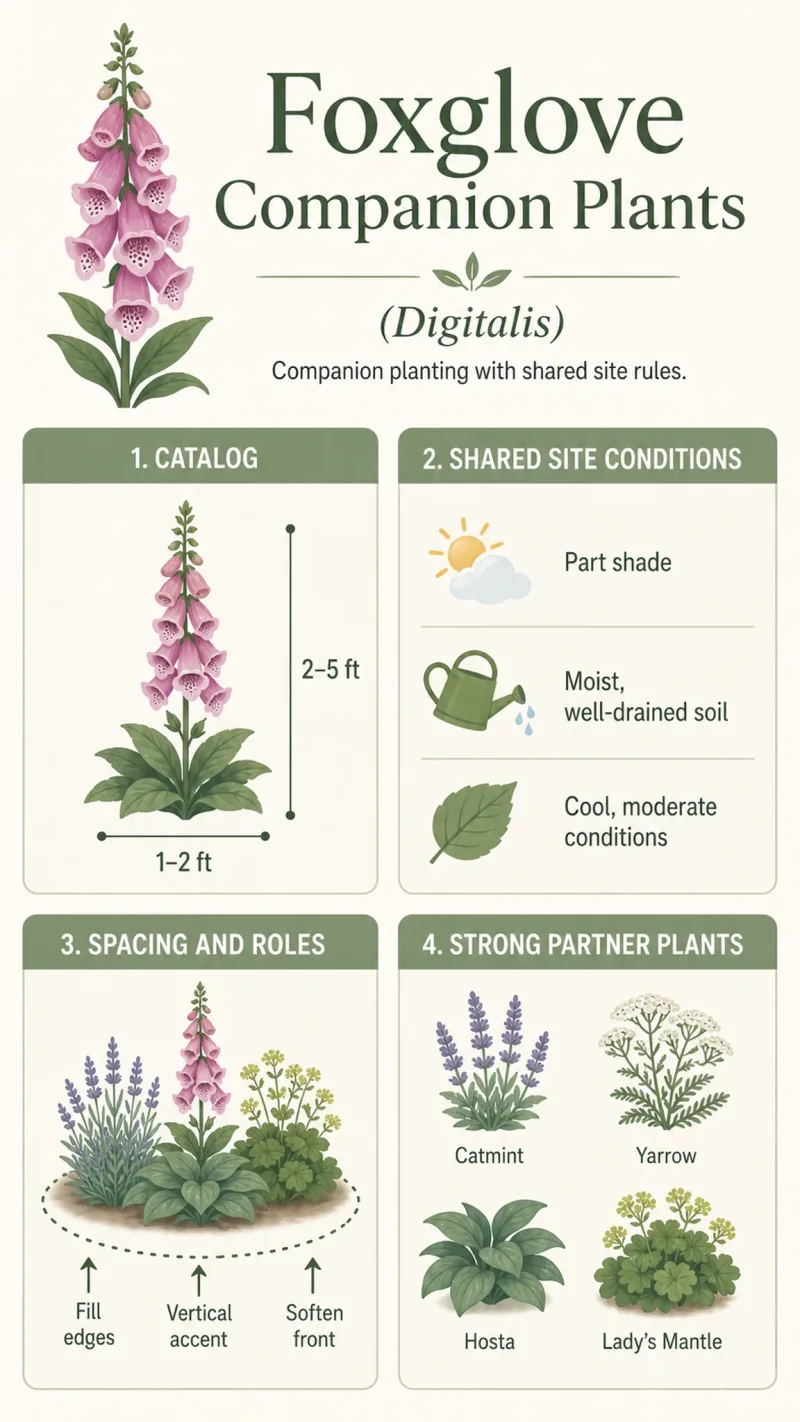
Partners must share moist, well-drained part shade and leave room for foxglove crowns and self-sown seedlings. Digitalis purpurea and Camelot Lavender are the tall mid-border spikes. Spring plants, foliage, and later cover sit around them — not a dry prairie mix.
Gloves and the two-year calendar stay on How to Grow Foxgloves.
Partners that share moist part shade
| Factor | Recommended | Avoid |
|---|---|---|
| Site | Same moist, drained woodland edge | Drought mats and full-sun dry beds |
| Timing | Spring bloomers that finish before or with spikes | A summer canopy that seals wet mulch on rosettes |
| Seed | A gap you can thin with gloves | A closed groundcover that smothers seedlings |
Columbine such as Crimson Star shares cottage shade and moisture. Offset clumps so neither seals wet thatch against the other’s crown. Both may self-sow. Thin crowded seedlings so spikes keep air.
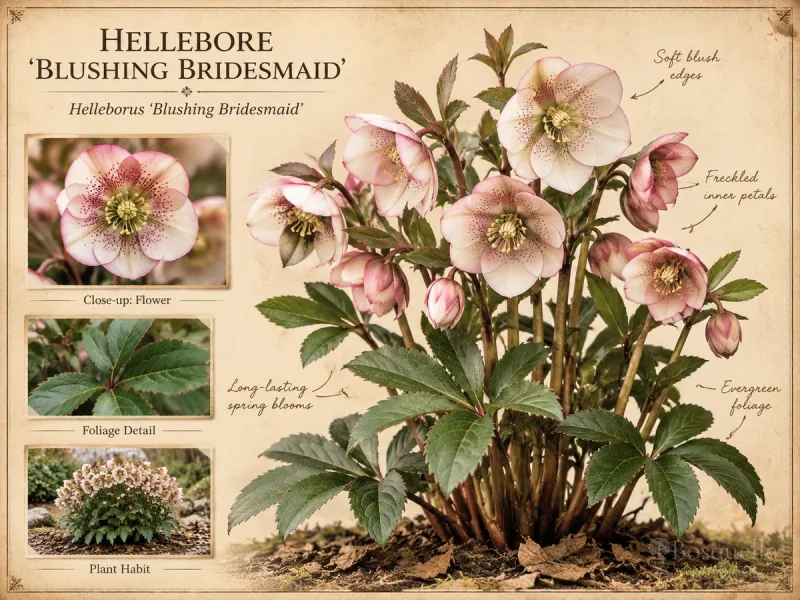
Hellebores such as Blushing Bridesmaid and primulas such as Belarina Amethyst Ice give early bells before the foxglove spike elongates. Keep them slightly aside so first-year rosettes still see filtered light. Alpine Forget-Me-Not can carpet the front if you pull extras after bloom.
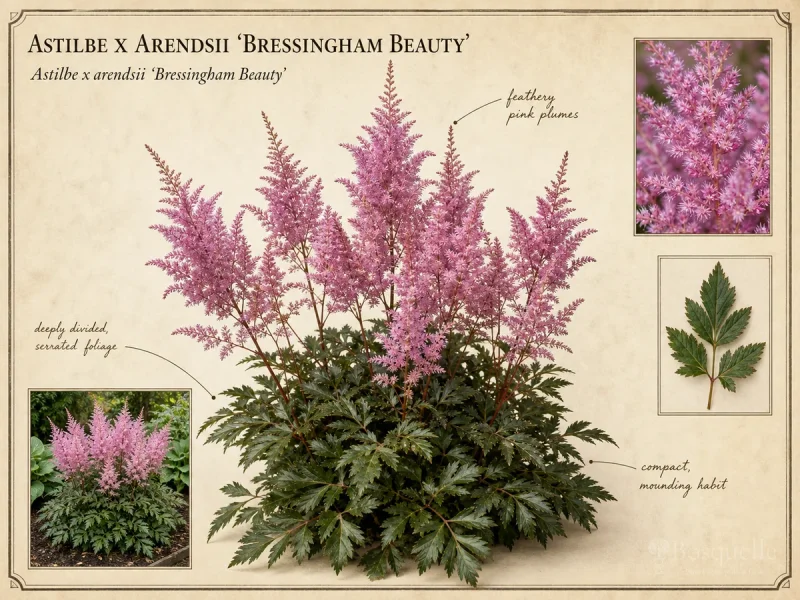
Astilbe such as Bressingham Beauty and hardy geranium such as Ann Folkard fill after spikes fade. They still need the same water. A drought salvia strip is the wrong neighbor even if the color looks good in a photo.
Leave a gap for seedlings
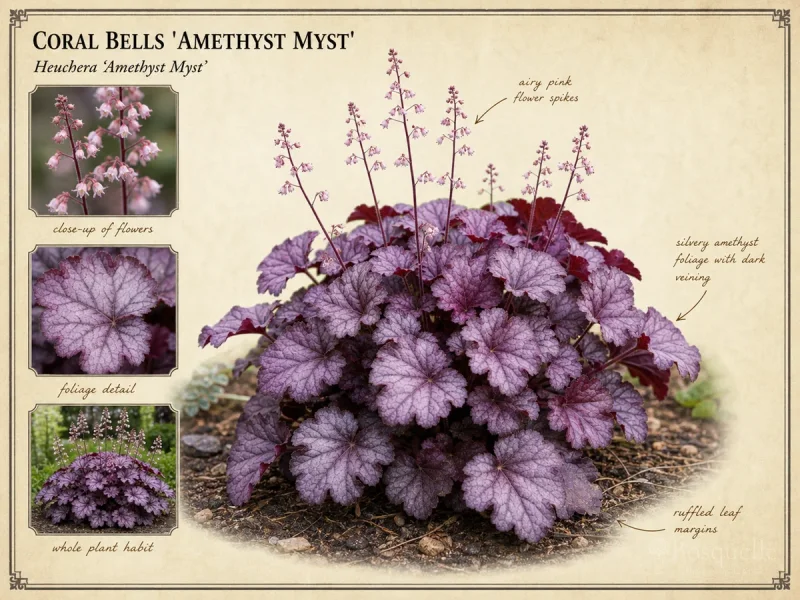
Biennial foxgloves continue by seed. A solid hosta or ivy carpet under the row kills that job. Leave a collar of open soil. Lady’s mantle (Alchemilla mollis) and heuchera such as Amethyst Myst can sit to the side if you can still reach the foxglove crown with a trowel.
Ferns such as Brilliance echo woodland shade. Plant them behind or beside, not on top of March rosettes. Winter wet off both fern crowns and foxglove bases in a sealed clay bowl.
Do not sheet-mulch the whole strip in autumn if you wanted volunteers. A light leaf layer is enough. Thick bark fines packed wet against the crown rot the plant you meant to keep.
Walk a path beside the spikes so you can check slugs, stake a lean, and clear toxic cut stems without crushing year-one leaves. Density looks fine until you cannot reach a spent spike.
Height: spikes, skirts, and spring acts
Put foxgloves in the middle or back. Low spring plants in front. Foliage after bloom to the side. Two partner notes are enough: one early act, one later cover. A third plant is optional, not a shopping list.
In a pot, one foxglove as the tall plant is plenty. Add a low trailer only if water matches. Do not pair a desert succulent with a thirsty woodland spike.
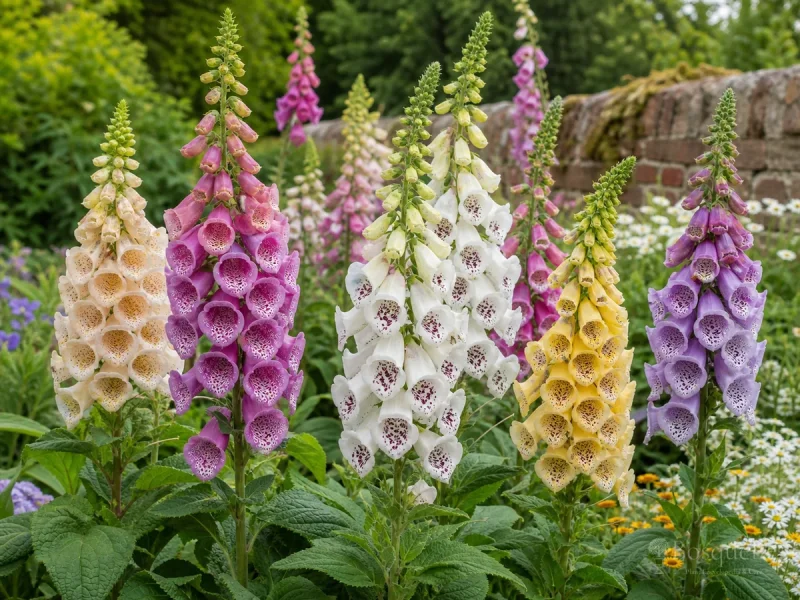
Confirm type before you plant a six-foot purple against a slow, low carpet that will hide the show. Browse Types of Foxgloves if height is still a guess.
A mixed border irrigated all summer for thirsty annuals is a hard place to keep biennial rosettes in heavy clay. If the bed never dries at the crown, raise the foxglove strip and keep the wetter plants elsewhere.
Wrong partners for foxgloves
Full-sun dry lavender, rosemary, and prairie grasses fight the moisture foxgloves need. Aggressive vinca and ivy swallow crowns. A vegetable row you hoe weekly will destroy self-sown seedlings and scatter toxic debris.
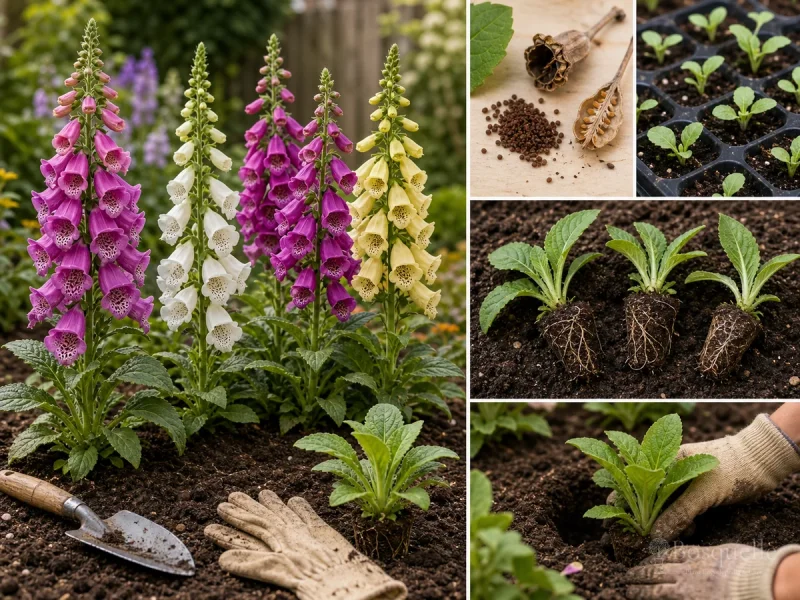
Do not shear green rosettes to “tidy” for a partner. Partners never rewrite the calendar or the glove rule on the care page. Seed how-to stays on Growing Foxgloves from Seed.
If a partner needs staking cages, weekly deep soak in a bog, or afternoon bake in dry gravel, put it elsewhere. The foxglove strip should stay a simple woodland job: moist shade, air at the crown, a gap for seed, gloves when you cut.
Roses you feed and water all summer in heavy soil can keep the ground too wet at annual and biennial crowns. Put foxgloves in a drained strip at the front of the shrub row, not in the rose hole.
Groundcovers that root into the biennial row year-round make the next seedling move a mess. Keep a collar. Pull them back in autumn before you add plants, not after rosettes are already trapped.
If a partner needs weekly deep soak forever in a bog, or all-day bake on gravel, put it elsewhere. Confirm moisture before you plant a tall spike against a dry-sun carpet that will hide the show.
Forget-me-not can seed around. That is useful as a spring carpet and a nuisance in a tiny formal bed. Pull extras after bloom if you wanted a tight edge. The foxgloves do not need the seedlings; they only need the leaves left on the rosette and a gap for next year’s shoots.
A hoe through the collar in fall is enough if the carpet got thick. Do not wait until April rosettes are already trapped in a mat. Confirm height before you plant a tall purple against a slow, low carpet. Browse Types of Foxgloves if the stems are still a guess. Plant-out from seed stays on Growing Foxgloves from Seed.
Leave a stepping gap for deadheading day. Density looks fine until you cannot reach spent spikes without crushing hellebore crowns. Two partner notes are enough: one low spring act, one later cover for when the biennial dies.
Photograph the block at noon. Purple spikes read differently in evening shade. Adjust foil brightness, not the biennial calendar.
FAQ
What grows well with foxgloves?
Moist part-shade plants: columbine, hellebore, primula, astilbe, hardy geranium, ferns — with a gap for seedlings.
Can I plant hostas with foxgloves?
Yes as later cover beside the row, not as a winter mat over March rosettes. Leave a gap for shoots and seed.
Should companions shade foxgloves?
Filtered woodland light is fine. A deep summer canopy that dries or etiolates the spike is not.
Can I mix foxgloves with columbine?
Yes. Offset clumps, match moisture, and thin extra seedlings.
What about dry-sun herbs nearby?
Poor match. Foxgloves want even moisture. Keep lavender and rosemary in a drained hot strip elsewhere.
Do partners need to be toxic-aware too?
Foxglove debris is the issue. Site the row off a play path. Gloves still apply when you cut.
Where is planting from seed?
Growing Foxgloves from Seed.
Can ferns sit at the back?
Yes if they do not sit on the foxglove crown and the soil still drains.
Related guides

Recommended plants





This note is part of Digitalis Guides.
More neighbour shortlists by plant live in Companion Plant Guides.
Updated: Reviewed by Bosquelle Editors