Garden type
Traditional Garden
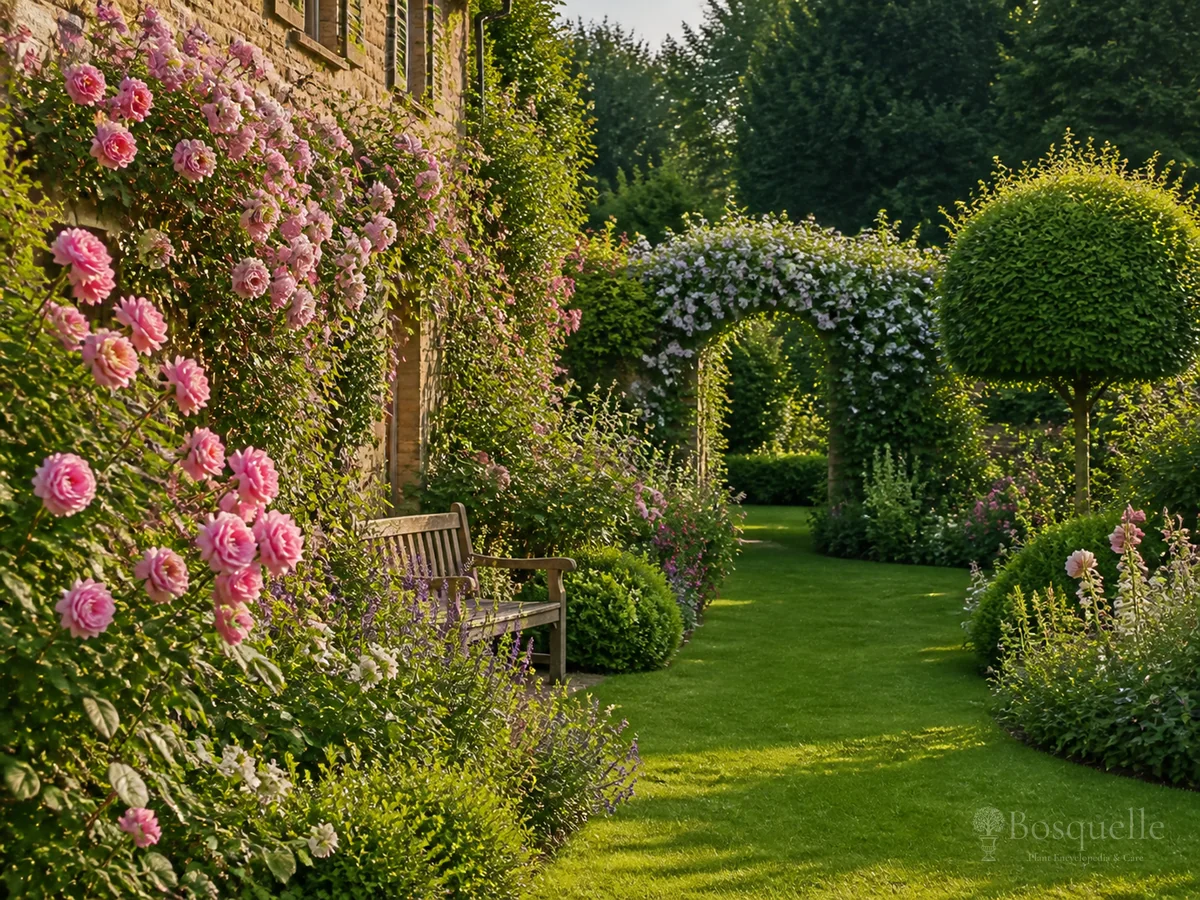
Traditional gardens lean on clarity: defined beds, repeating forms, and plants that read as intentional rather than wild. Structure often comes from evergreen bones, clipped or informal hedges, and climbers trained to walls — with seasonal flowers as chapters, not the whole book.
In this library, traditional does not mean stiff. It means choosing plants that hold a line through the year, then layering bloom where the eye already knows where to rest.
What matters most for Traditional Garden
- Lead with structure plants before filling every gap with flowers.
- Repeat forms and colours so the composition reads as a garden, not a nursery bench.
- Check mature size against paths and windows — “traditional” still fails if it blocks light.
- Plan winter interest: bare stems and evergreen leaves matter as much as June colour.
- Train climbers to architecture; do not leave them to invent their own support.
Starter kit for Traditional Garden
- Evergreen wall cover — Armand Clematis: clean vertical structure on walls and pergolas.
- Shade border bones — Hyacinthine Plantain Lily: foliage mass that holds a bed edge.
- Seasonal shrub flower — Winter's Star Camellia: cool-season bloom for a formal backbone.
Compare sun and height on the cards, then open each profile for site fit and related garden partners.
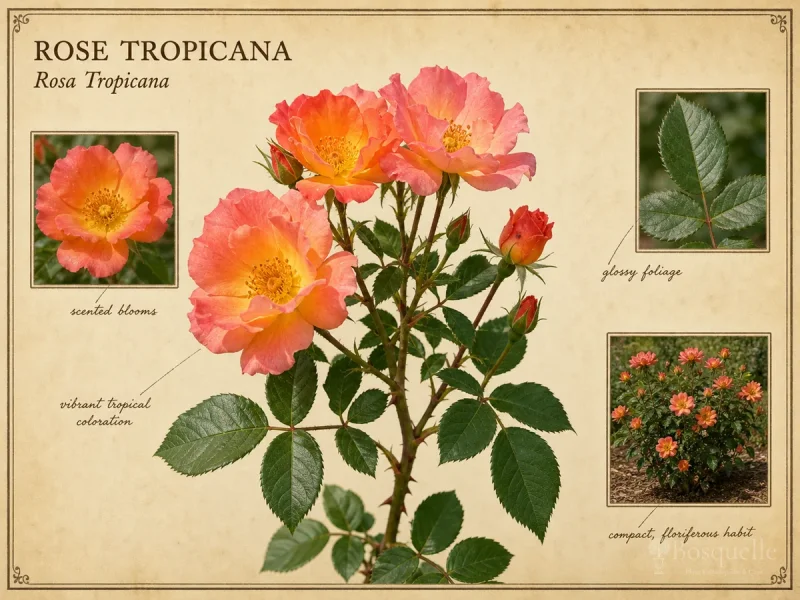
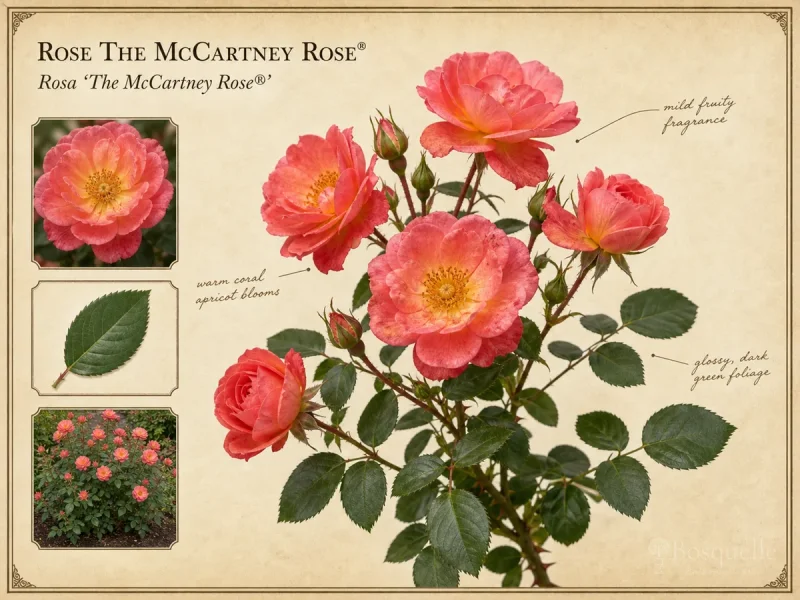
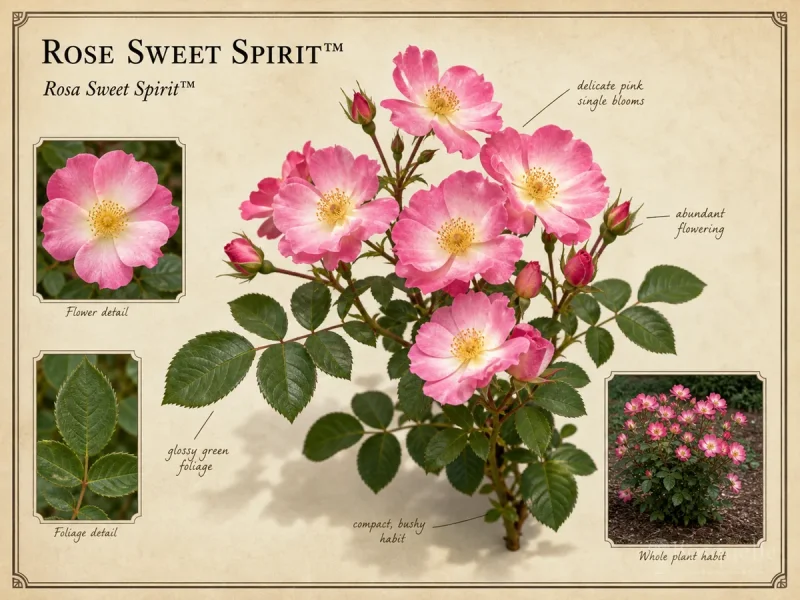
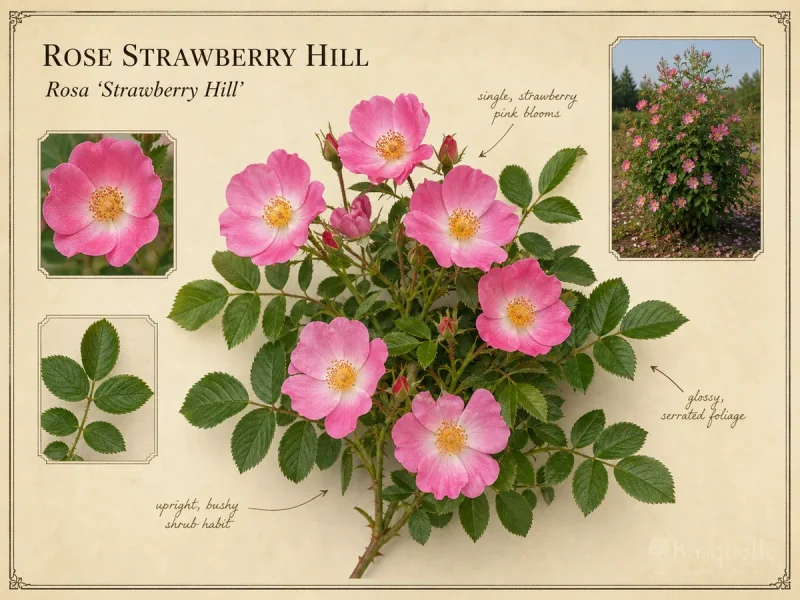
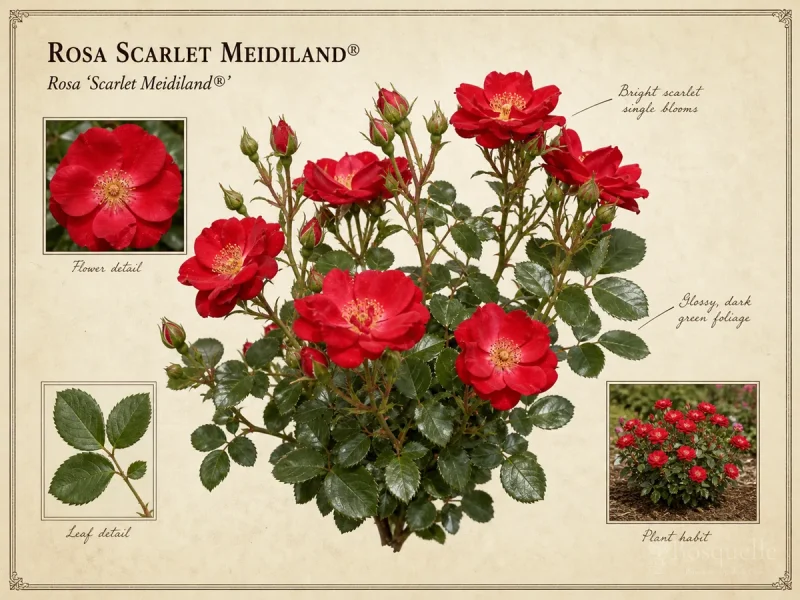
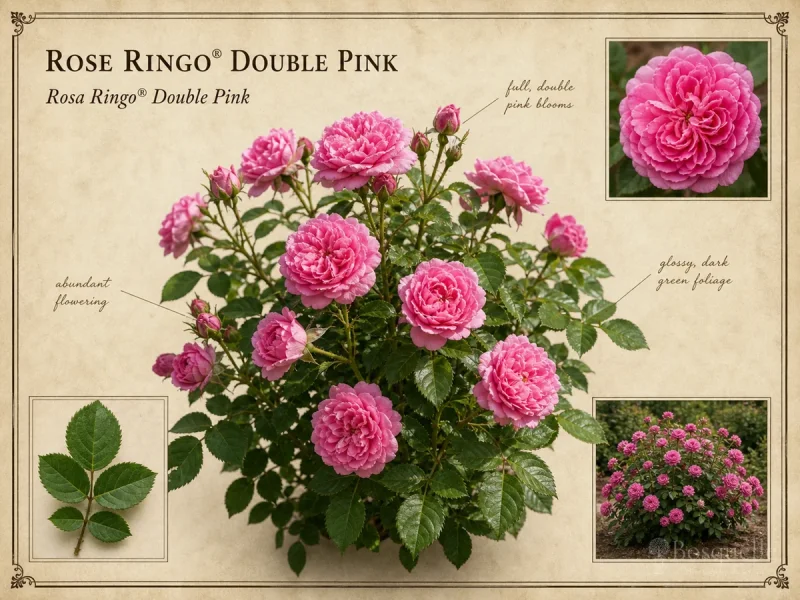
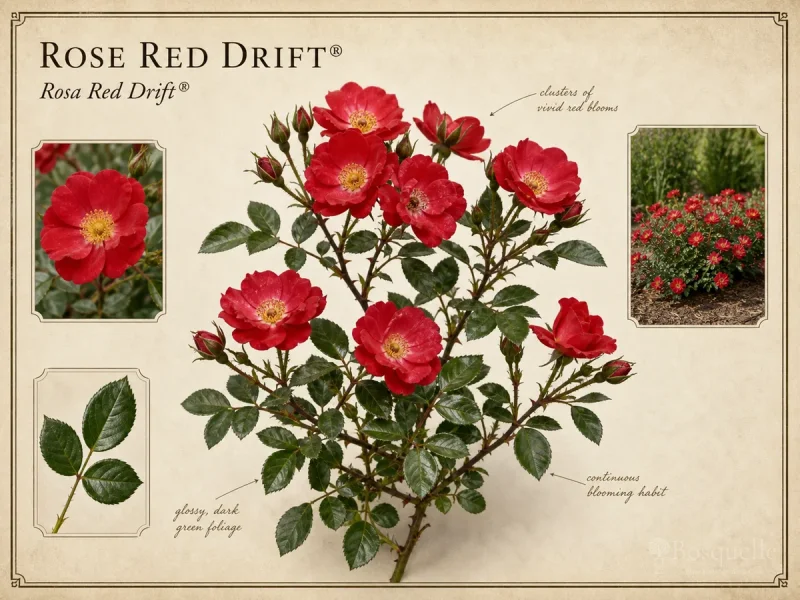
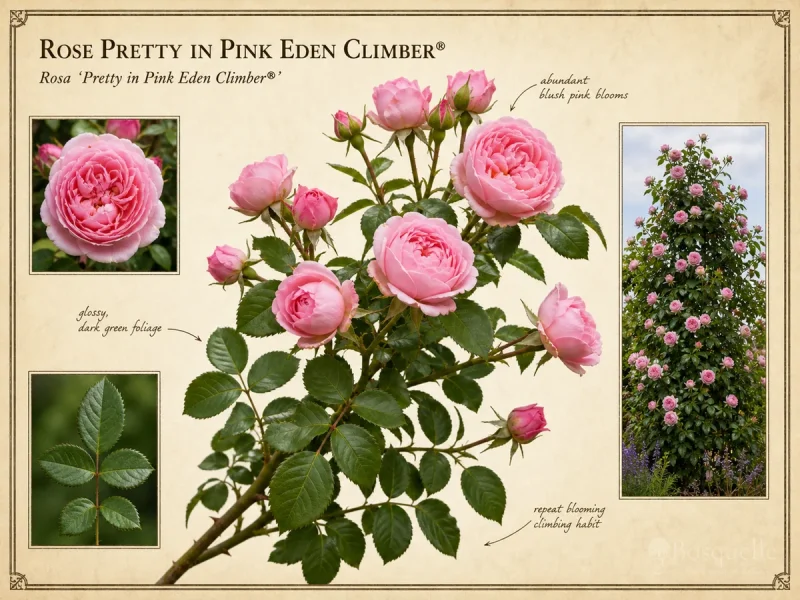
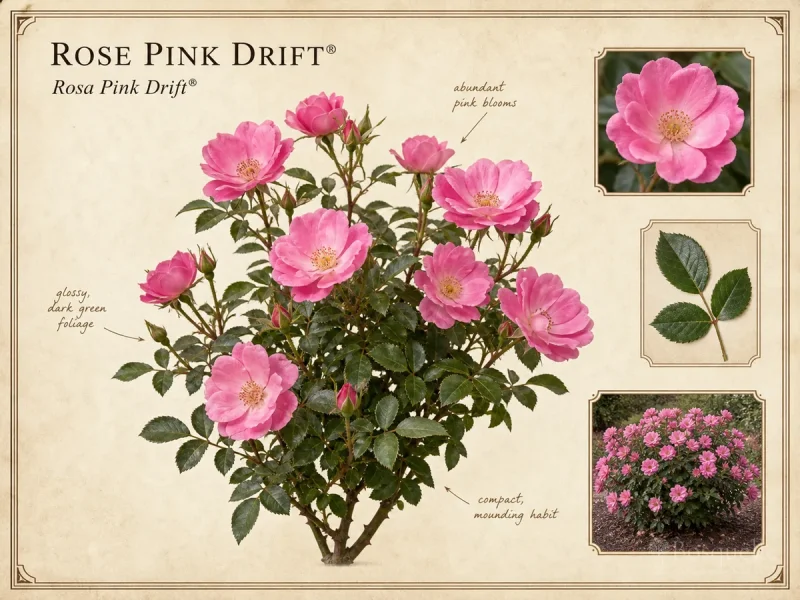
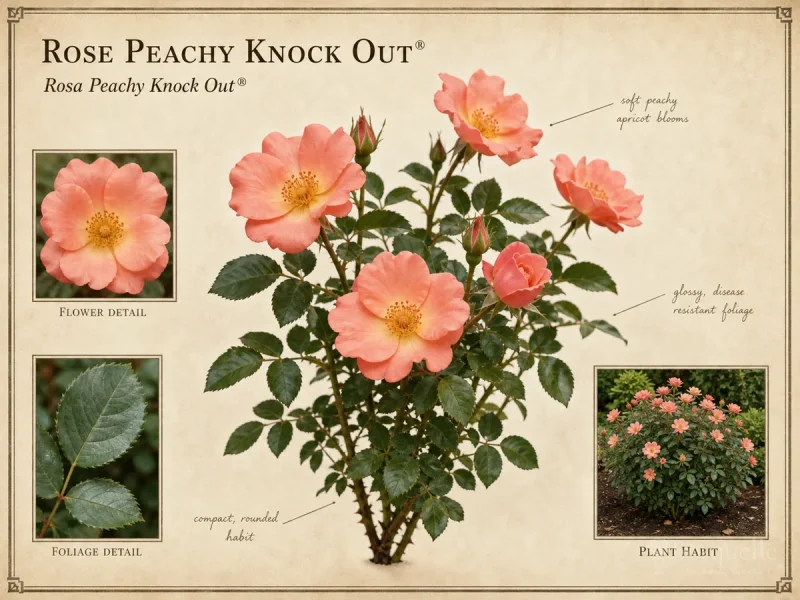
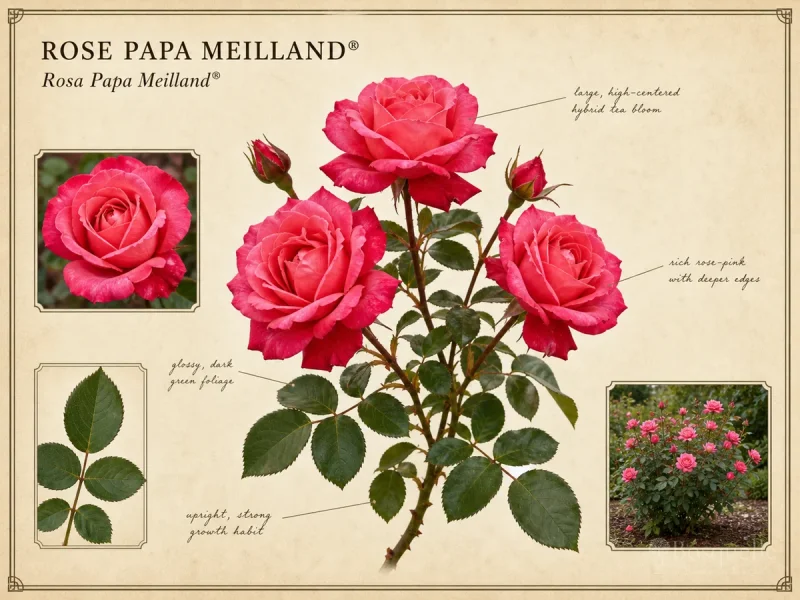
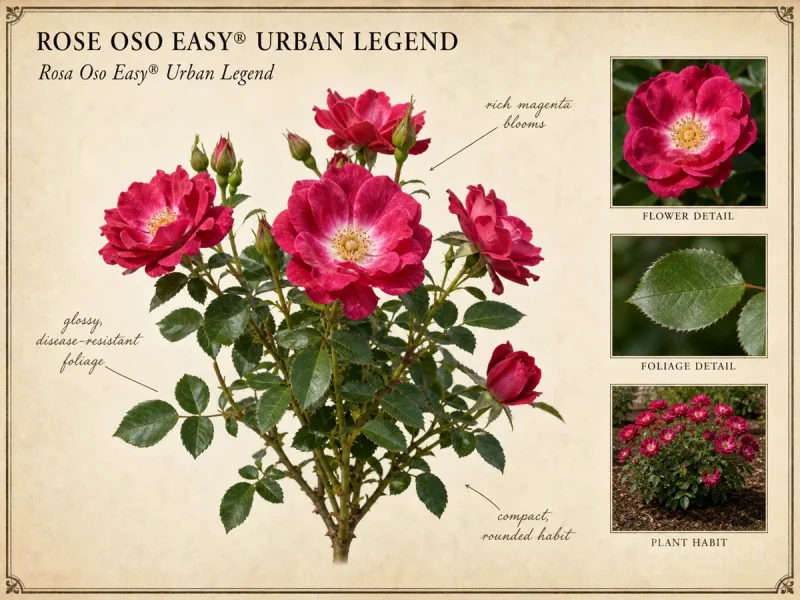
Plants for Traditional Garden (1145)




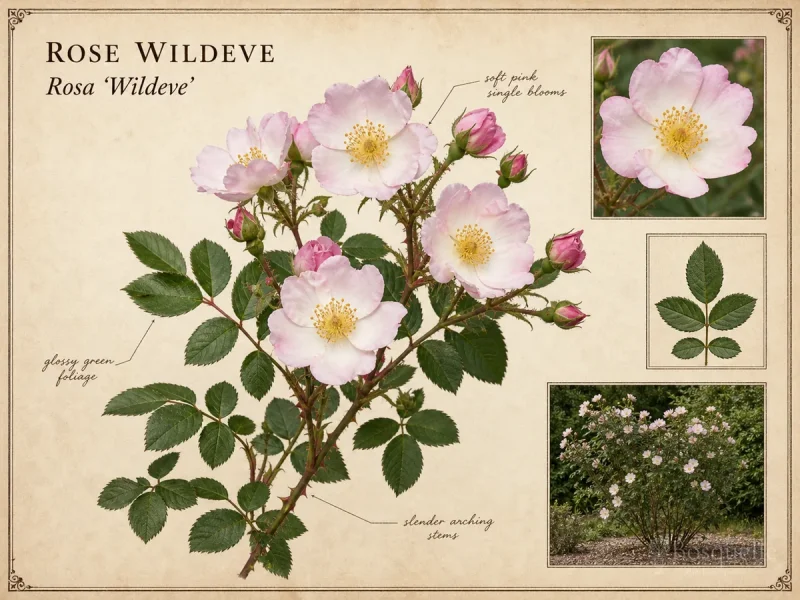


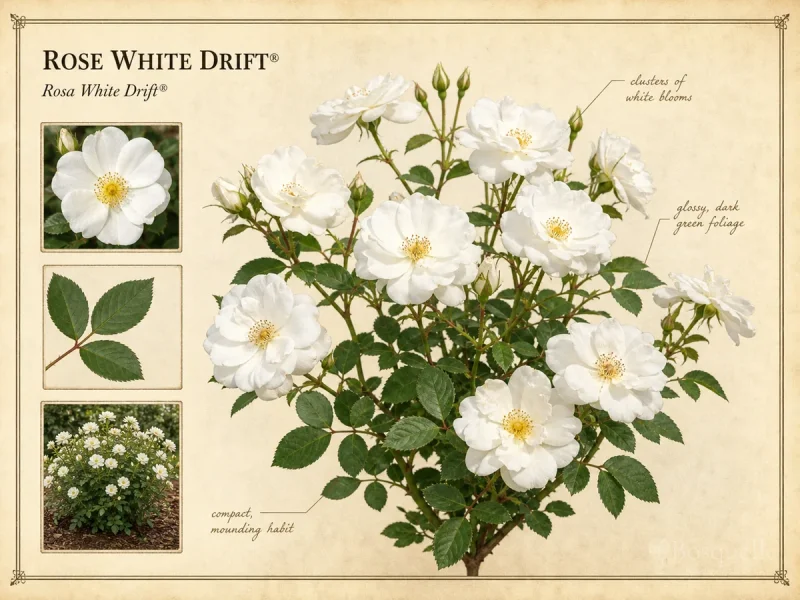

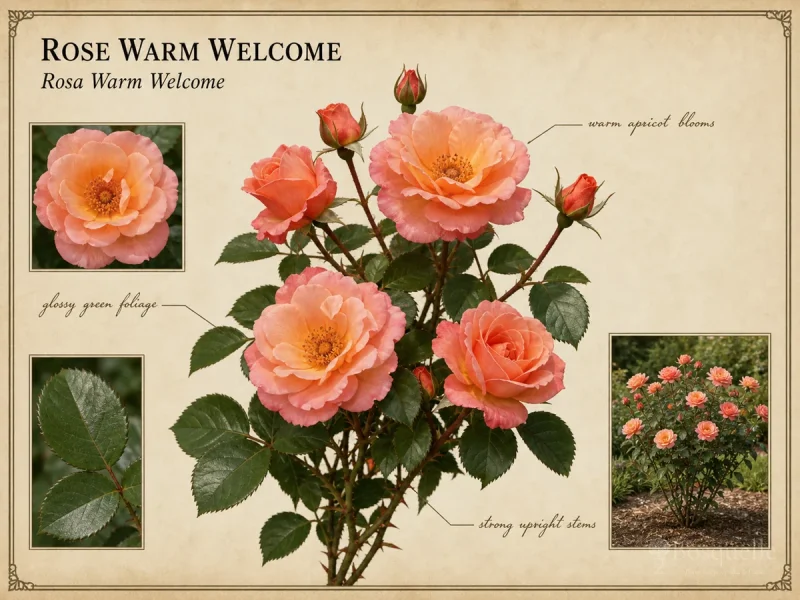
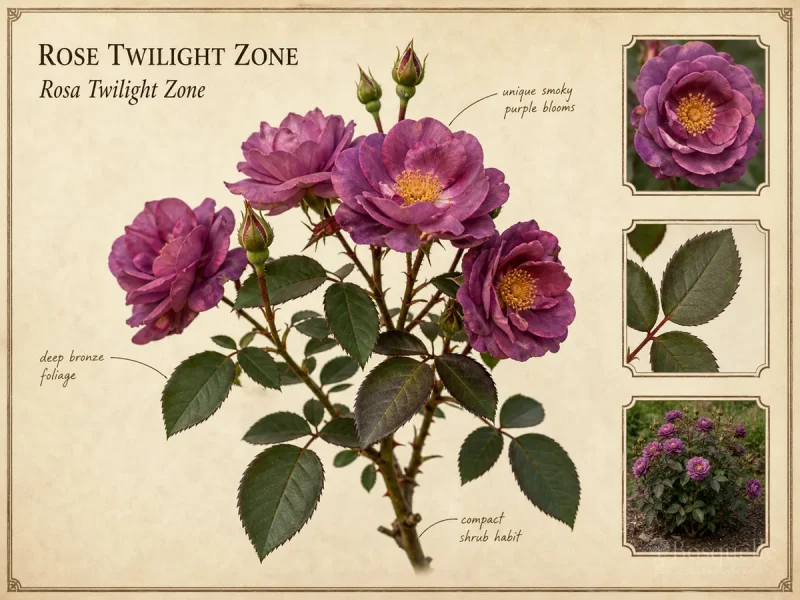


















Browse more plant collections in the Plant Encyclopedia.