Garden type
Prairie and Meadow

Prairie and meadow plantings aim for ecological rhythm: drifts, seedheads, and overlapping bloom rather than tidy bedding blocks. Success depends on sun, space, and accepting a looser winter silhouette — not on recreating a prairie in a postage-stamp bed with the wrong plants.
Start with a few tough flowering perennials that feed pollinators and hold structure when cut back late. Expand in drifts once you see what thrives in your soil and rainfall.
What matters most for Prairie and Meadow
- Give plants enough sun and root run; meadow lists fail in deep shade.
- Plant in groups, not singles, so forage and visual rhythm actually read.
- Leave seedheads into winter where you can — wildlife and winter structure both benefit.
- Avoid over-fertilising; leaner soils favour meadow character over soft flop.
- Edit invaders early; “naturalistic” is not the same as unmanaged weeds.
Starter kit for Prairie and Meadow
- Mass summer nectar — Common Sunflower: bold forage and height for open ground.
- Composite mid-layer — Narrow-Leaved Purple Coneflower: reliable prairie-style discs.
- Moist-meadow colour — Swamp Sunflower: for wetter meadow edges, not dry gravel.
Use sun and height chips below to shortlist, then open profiles for care — especially moisture honesty before you mix dry and wet meadow plants. Prairie plantings often double as pollinator habitat; check Attracts hubs and companion notes where the library offers them.
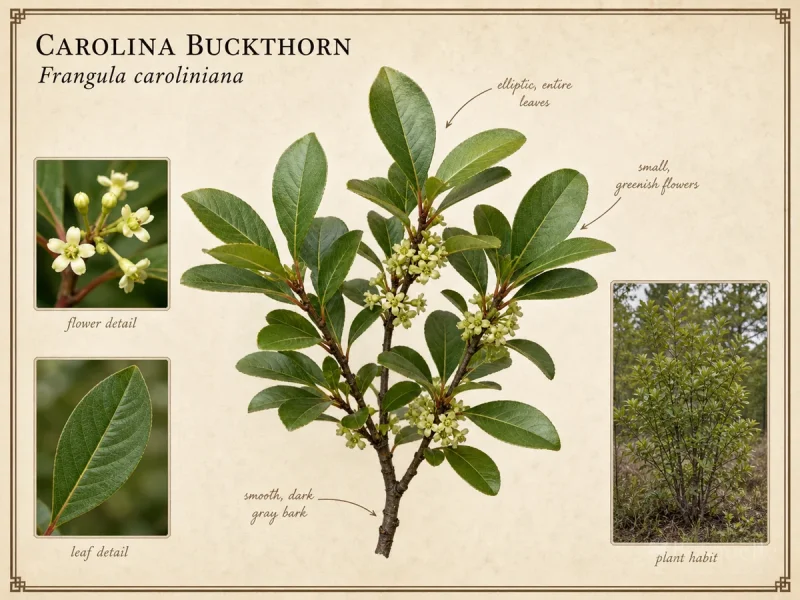
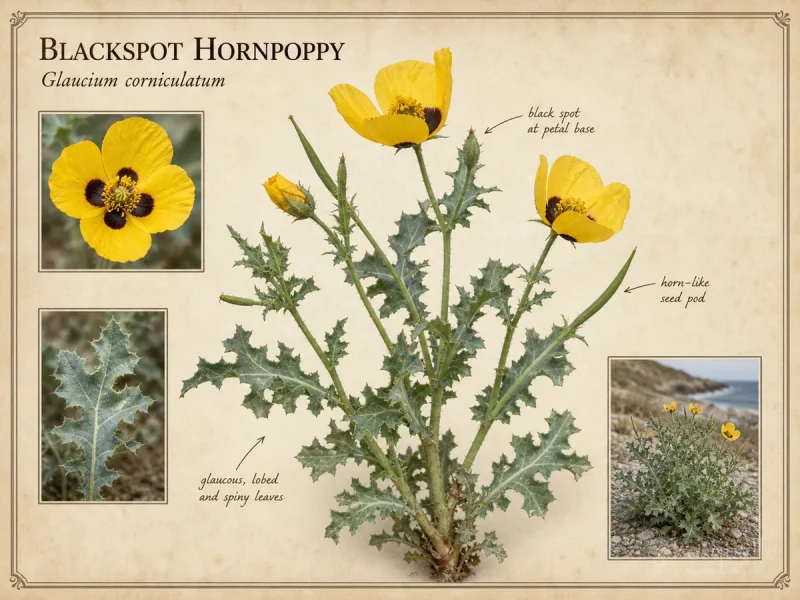
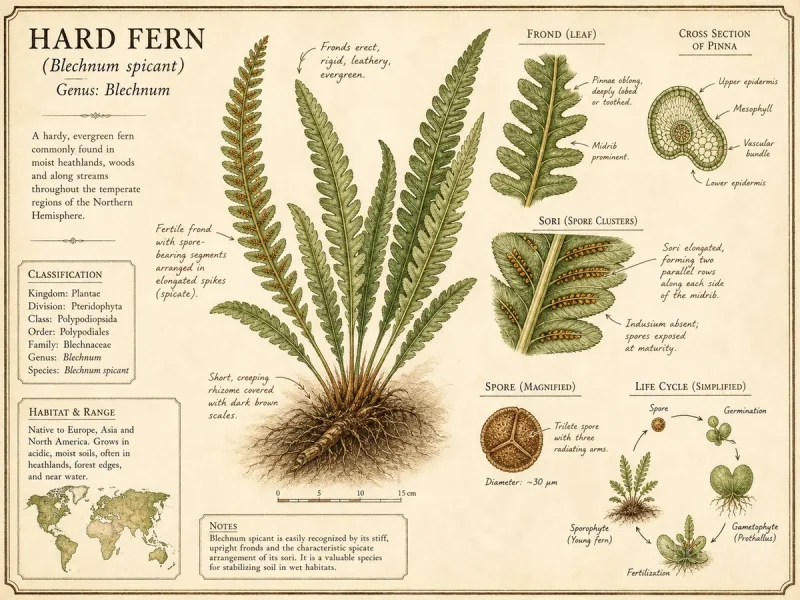
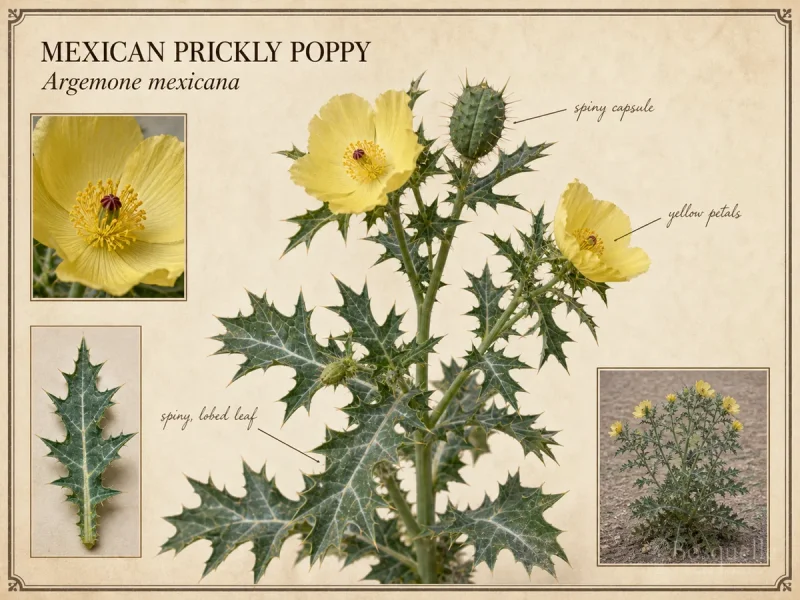
Plants for Prairie and Meadow (1420)






















Browse more plant collections in the Plant Encyclopedia.