
Prune grapes while they are dormant, before buds swell. Fruit sits on wood that grew last year, so you must leave one-year canes or short spurs. Most home vines use cane pruning or spur pruning. This page is the cut, not a second grow guide.

Sun and trellis stay on How to Grow Grapes.
When to prune
| Factor | Recommended | Avoid |
|---|---|---|
| Timing | Late winter, before hard bud swell | Cutting after the canopy is in full leaf |
| Tools | Sharp bypass pruners; loppers for old arms | Crushing dull anvil blades on live canes |
| How much | Remove most of last year's growth; keep fruitful wood | Stripping the vine to a bare trunk every year |
Sap may bleed from fresh cuts. That is normal and not harmful. Do not wait until after leaves just to avoid the drip. Finish while you can still see the framework.
Home growers often take 70–90 percent of last season's shoots. The goal is an open vine with pencil-thick fruiting wood, not a hedge. Shared watering and feeding stay on the grow page. This page is the dormant cut.
Fruit on one-year wood
The coming crop sits on canes that grew last summer. If you cut every cane back to old stubs, you remove next year's clusters. Leave strong one-year wood with live buds, then remove the rest.
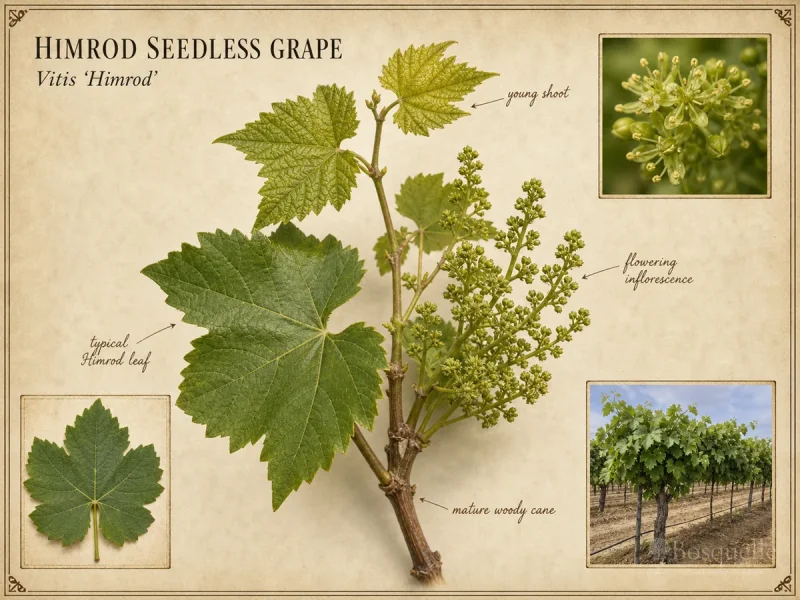
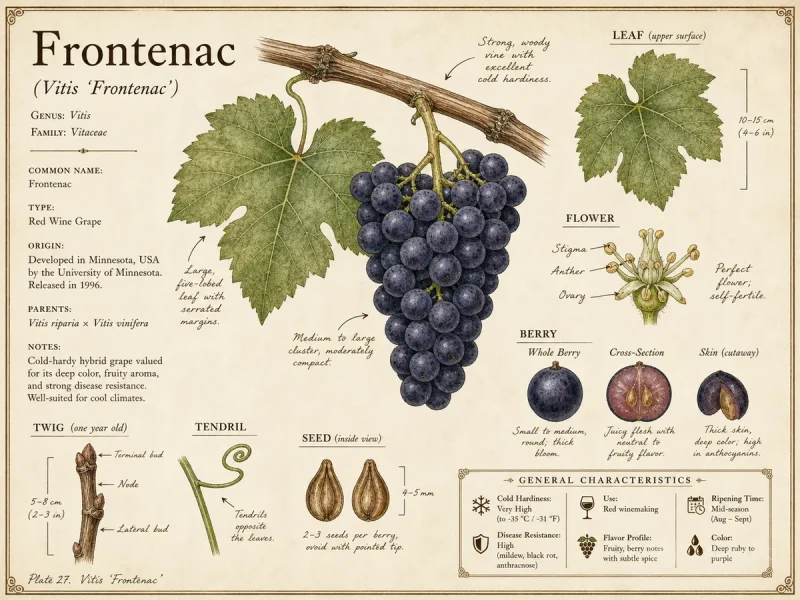
Concord, Niagara, Himrod, and Frontenac all follow that rule at garden scale. Choose canes about pencil thickness. Hair-thin whips and fat bull canes fruit poorly.
Tie chosen canes to the wire before buds swell so wind does not snap them later. Use a soft tie. A wire tourniquet girdles the cane.
First three years
Year one is a trunk, not a crop. After planting, keep one or two strong shoots and rub the rest. Tie the lead shoot to a stake so the trunk grows straight. Pull off flower clusters so energy goes to roots and wood.
Year two, keep the best trunk or two trunks if winter kill is a risk. Train arms along the fruiting wire once the shoot reaches it. If the vine is still short of the wire, cut back and grow the trunk again. That delay is normal on a weak site.
Year three is the first real fruiting year for many vines. Shorten side shoots to spurs, or select renewal canes, matching the system below. If the vine is still small, pull flowers again rather than forcing a crop on a thin trunk.
Summer work is light: suckers on the trunk, tendrils that bind the wrong wire, and a little shoot positioning for air. Do not hedge the whole vine in July as a substitute for the dormant prune.
Cane, spur, and muscadine
Cane pruning keeps a trunk, then each winter you keep a few long one-year canes and short renewal spurs. Many American table grapes use this in home gardens. Leave replacement canes with a row of buds. Do not strip the vine to a bare post.
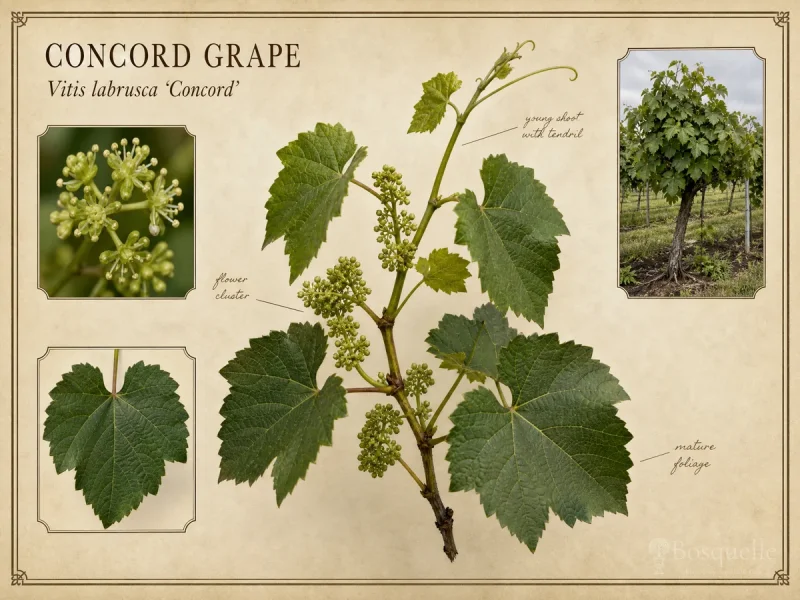
Concord and Niagara are the usual cane examples. Count buds on the canes you keep, then cut the rest. Next winter those fruited canes come off and new ones take their place.
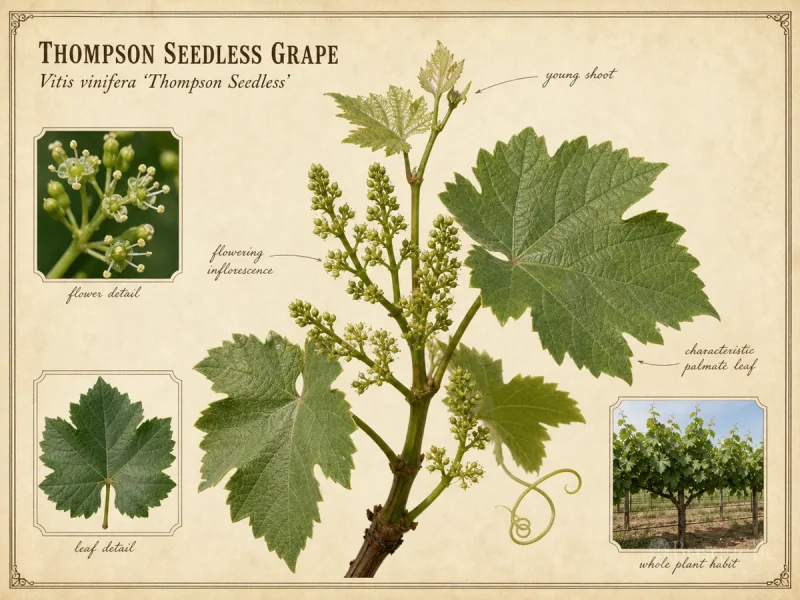
Spur pruning keeps permanent arms (cordons) on the wire. Each winter you cut last year's shoots back to two to four buds. Many vinifera wine and table grapes train this way where winters match the cultivar.
Cabernet Sauvignon and Thompson Seedless are the usual spur examples. Keep the cordon clear. Renew a weak arm over years. One hard stump cut is not a reset.
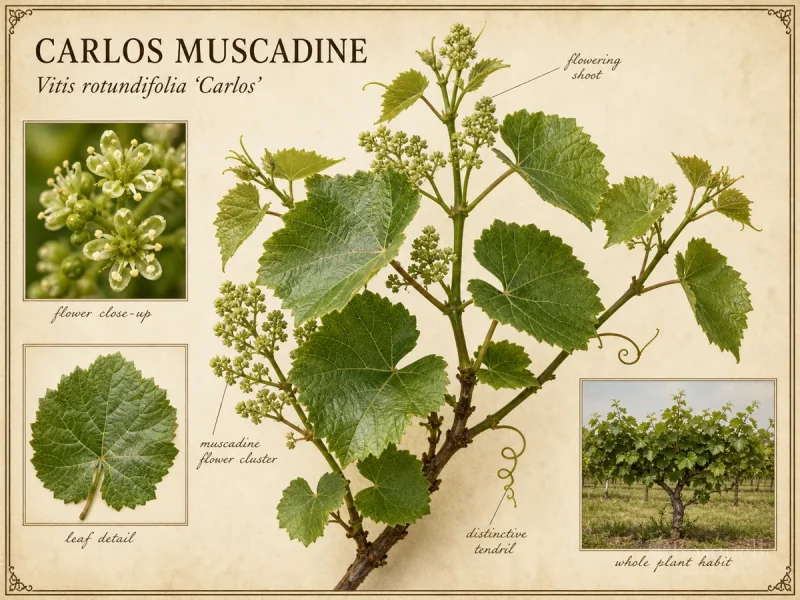
Muscadines such as Carlos Muscadine and Noble Muscadine often lean spur on a strong frame. Treat them as heat-loving fruit vines with their own training, not a second Concord essay. Crimson Glory Vine is foliage: thin for structure, not for clusters.
If the tag does not say cane or spur, start with the class. American table grapes often cane. Many vinifera spur. Confirm the profile if you can. A wrong system still beats no prune.
Plant-out and the day-one stake live on Planting Grapes. Seedless eating picks still use one-year wood on Seedless Garden Grapes.
Label the system on the post after the first trained winter. Next February you will not remember which canes you meant to keep.
Do not turn this page into a second watering essay. If the canopy is a wad, the cut is late. If the site is shade, prune will not make fruit. Fix the site on the grow page.
Two trunks give you a spare if winter kills one. Train both only if you will prune both. One neglected trunk becomes a thicket.
After a hard freeze that kills buds, wait to see what pushes, then cut dead wood. Guessing too early can remove the only live canes.
Keep prunings off the row. Shriveled fruit and diseased canes left on the wires carry mildew into spring.
A first-year vine that reached the top wire can start arms the same season. Pinch the tip at the wire so laterals run. That is training, not a full fruiting prune.
If you inherited a tangle, take two winters. Year one, open a trunk and a few canes. Year two, put it on a system. One panicked scalp to the ground delays fruit and still leaves a mess of watersprouts.
Count buds with the vine in front of you, not from a photo of a commercial vineyard. Home frames are shorter. Too many buds on a small arbor makes shade and small sour fruit. Too few on a vigorous Concord makes giant canes and few clusters. Adjust next winter.
Mark renewal spurs with a bit of tape the first year you try cane pruning so you do not cut the replacement wood by mistake. The tape comes off after bud swell. The habit stays.
FAQ
How do I prune grapevines as a beginner?
Prune dormant, before buds push. Leave fruitful one-year wood. Use cane or spur for the class. Remove most of last year's growth, not the whole trunk.
When should I prune grapes?
Late winter, before hard bud swell, and finish before leaves expand so you can see the wood.
Is sap bleeding after pruning bad?
No. Bleed from dormant cuts is normal and not harmful. It is not a reason to wait until after leaves.
Do Concord and Cabernet use the same prune?
Not as one textbook. Many American table grapes use cane systems. Many vinifera use spur or cordon. Muscadines often lean spur. Keep fruiting wood either way.
Should I prune in the first year?
Yes, lightly: one strong trunk, no crop. Full cane or spur starts as the vine fills the wire, often year two or three.
Where is full grape care?
How to Grow Grapes. This guide is dormant prune only.
Related guides



Recommended plants




This note is part of Grape Guides.
More pruning timing notes by plant live in Pruning Guides.
Updated: Reviewed by Bosquelle Editors