

One size up, slightly snug
| Factor | Recommended | Avoid |
|---|---|---|
| Pot size | About 1 to 2 inches wider than the current pot | Three sizes of unused wet mix |
| Mix | Chunky, draining houseplant or aroid mix | Garden soil, or a pot with no holes |
| Pole | Seat it now if the plant climbs | Stabbing a pole through settled roots later |
| Crown | The same height as before | Burying the stem deeper |
Philodendrons do well slightly pot-bound, so the mix dries between waterings. Step one size up when roots circle, water races through, or a self-header is about to tip a skinny nursery pot. [1] Spring is the kindest week. [2]
When should I repot a philodendron?
When roots circle, water runs straight through, or the top dries faster than you can keep up. Spring or early summer is kindest. They tolerate being slightly snug.
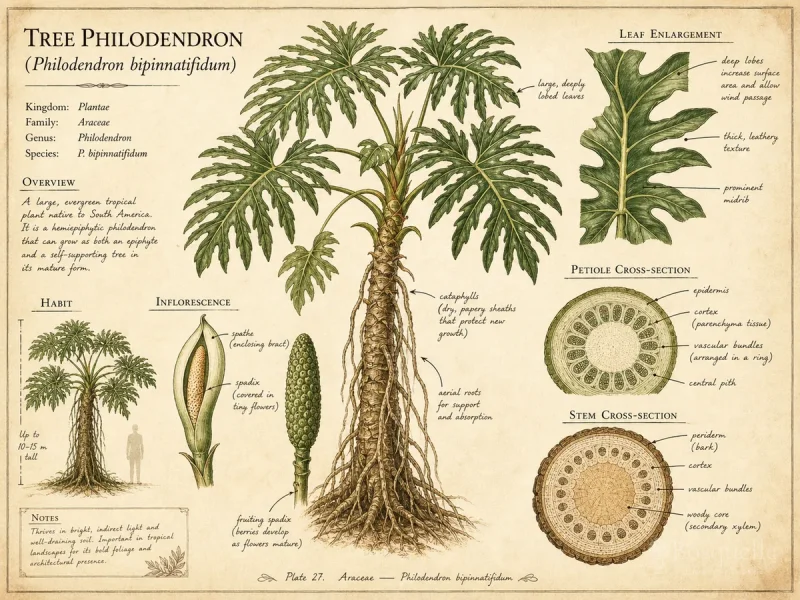
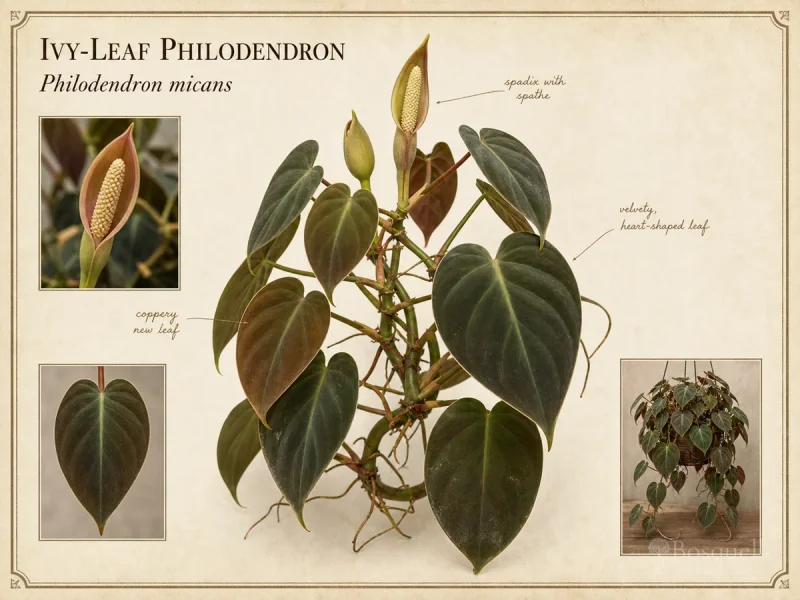
Keep-alive light stays on How to Grow Philodendron. A selloum needs a wider, heavier base than a heartleaf basket — choose the habit on Types of Philodendron first.
How to repot
- Choose a pot with real drain holes, about one to two inches wider. Self-headers need a base that will not tip; climbers need depth for a pole.
- Use a chunky, draining mix — potting base plus bark or perlite. [3]
- Set the plant at the same depth. Tease circling roots. Install a moss pole now for climbing kinds so aerial roots can find it. [4]
- Water until it drains. Empty the tray. Then wait until the top feels dry before the next watering. Fresh mix stays wet longer than the old brick.
- Skip heavy fertilizer for a couple of weeks. Optional: snip extras as cuttings on How to Propagate Philodendron.
What size pot should I use?
One size up from the current pot, with drain holes. A pancake bowl starves the roots. A cavern of unused mix stays wet. Tree selloum needs a wider, heavier pot than a heartleaf basket.
What fails a philodendron pot
- A dish without holes — wet feet on the shelf.
- Three sizes up of unused wet mix — rot before the plant fills.
- Stabbing a pole in a month later — shredded roots.
- A gallon selloum in a mug — topple, then a broken petiole. Long stalks are brittle.
- Watering on the old daily schedule in fresh mix — the extra volume stays wet.
One size up, draining mix, empty the tray. Seat a pole now if it climbs.
FAQ
How often should I repot a philodendron?
When it is overcrowded or the mix collapses — often every one to two years on a fast vine, longer if it is still slightly snug and watering is easy.
Should philodendron be rootbound?
Slightly snug is fine and helps the mix dry. Circling roots plus water that will not soak in is the signal to step up one size.
Can I repot in winter?
Only if the plant is failing. Spring or early summer is kinder. A cold, wet new mix in January is a rot risk.
Should I water right after repotting?
Water to settle, drain fully, empty the tray. Then wait until the top is dry. Fresh mix stays wet longer.
Can I split a self-header when I repot?
If it has offsets with roots, yes. That split lives in detail on How to Propagate Philodendron.
Is a self-watering pot a good idea?
Usually no. A reservoir that never dries keeps roots wet. Real holes and an empty tray are the safer habit.
Related guides


Recommended plants









References
- [1] Iowa State Extension -
https://yardandgarden.extension.iastate.edu/how-to/growing-philodendrons-home - [2] NC State Extension -
https://plants.ces.ncsu.edu/plants/philodendron/ - [3] Clemson HGIC -
https://hgic.clemson.edu/factsheet/philodendron-pothos-monstera/ - [4] NC State Extension -
https://plants.ces.ncsu.edu/plants/philodendron-hederaceum/
This note is part of Philodendron Guides.
More container notes by plant live in Container Growing Guides.
Updated: Reviewed by Bosquelle Editors