
Zinnias are tender, warm-season annuals. Give them full sun (6–8 hours), wait until frost is over and the soil is near 70°F, then sow about ¼ inch deep. Water at the base, not over the leaves. Compact bedding such as Profusion and tall cutting rows such as Benary's Giant Bright Pink share that contract; height and stem length are a types job, not a second care system. Compare classes on Types of Zinnias. Pots on Zinnias in Containers; stems on Best Zinnias for Cutting; partners on Zinnia Companion Plants.
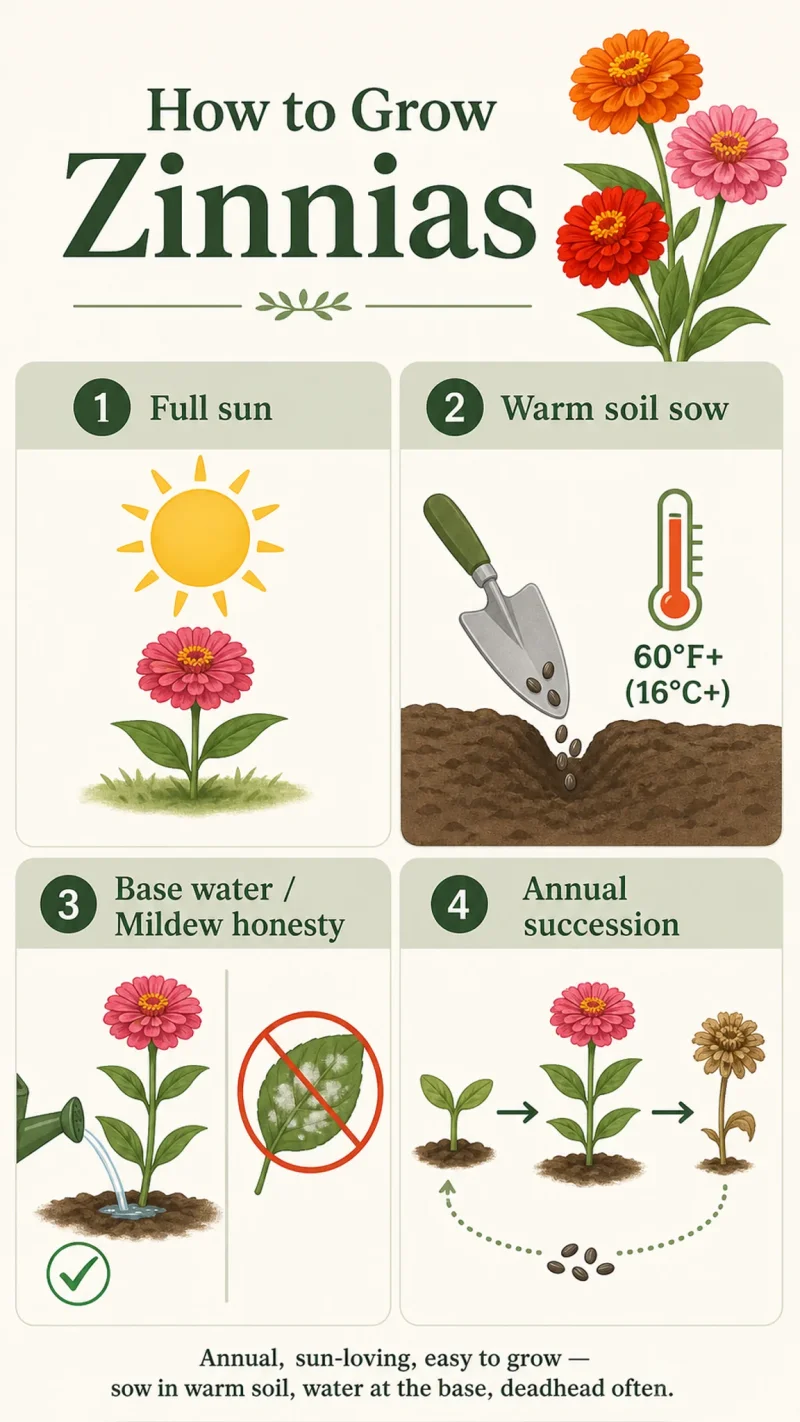
Full sun, warm soil, and water at the base
| Factor | Recommended | Avoid |
|---|---|---|
| Light | Full sun, 6–8 hours | Shade; a closed, humid pocket |
| Soil | Warm, draining ground near 70°F at sow | Cold, wet soil before the last frost |
| Sow | Direct sow ¼ inch deep after frost | Early sow into 50°F soil; deep burial |
| Water | At the base when the surface is dry | Overhead spray, especially in the evening |
| Space | Air between plants; dwarf ~8–9 in, tall ~12–24 in | Crowded rows that stay wet after rain |
Clemson HGIC and the Old Farmer’s Almanac treat zinnias as heat-loving annuals: wait until nights are reliably frost-free, then sow where the plants will stay. They dislike a cold, wet start and they dislike being moved once the taproot is running. Direct sow is the default. Cell starts are a short-season backup, not a better method.
- Pick a bed that gets full sun all day. Rake a fine, draining surface. Skip a manure topping that stays soggy.
- Sow after the last frost, when the soil is near 70°F. Cover about ¼ inch and firm. Keep evenly moist until germination (often 4–7 days).
- Thin while seedlings are small. Dwarf bedding types about 8–9 inches apart; tall cutting types 12–24 inches. Air at the leaf is the mildew control.
- Water at soil level. Let the surface dry between waterings. Do not set a sprinkler on the flowers in the evening.
Short-season gardeners can start cells 3–4 weeks before the last frost and plant out after the soil has warmed. Harden them. Do not hold starts in a dim windowsill until they stretch.
Powdery mildew and spacing
Powdery mildew is the usual summer failure: white film on leaves, then yellowing, then a thin stand. Overhead water plus crowding plus still, humid evenings is the combination. It is not a fertilizer shortage and it is not a reason to rip the bed out on the first spot.
- Water at the base only. Morning is better than evening if you must wet the soil surface.
- Thin or space so air moves through the row. Tall cutting types need more room than a 6-inch bedding grid.
- Remove badly infected leaves. Do not compost a dense mildew outbreak.
- Choose mildew-tolerant bedding series when the site is humid and you want mass color, not long stems. Care still follows this page.
A mildew-tolerant series does not cancel crowding. A tall cutting row in still air still gets mildew if you water the flowers. Stake tall types so stems do not lean into each other and trap humidity.
Annuals and height class
Zinnias finish in one warm season. They do not come back as a perennial clump after a hard freeze. Volunteers sometimes appear where spent flowers set seed and winter is mild — treat that as a bonus, not a plan. For a continuous row, sow again every two to three weeks until midsummer.
Height is a checkout choice. Compact bedding stays low for pots and mass. Tall cutting types make vase stems and often need a stake on a windy site. Species and odd forms change leaf and bloom shape; they still want the same warm sun and base watering. Sort that on Types of Zinnias. Do not buy a 40-inch packet for a 10-inch patio bowl, and do not expect a dwarf series to fill a cutting bucket.
Deadhead, cut, and succession
Spent blooms left on the plant slow the next flush. Deadhead bedding types. Cut tall types as if you were filling a vase — that is the same job with a longer stem. There is no separate prune URL in this cluster; the cut is on this page.
- Pinch or snip spent flowers back to a leaf node, not to a stub of stem hanging in air.
- On cutting types, take stems often once blooms are open and the neck feels firm (see Best Zinnias for Cutting for the wiggle test).
- Strip leaves that would sit in the vase water. Leave foliage on the plant below the cut.
- Sow a second and third batch two to three weeks apart if you want flowers into late summer. Stop new sowings when fall is close enough that frost will beat bloom.
Do not shear the whole plant to nubs in midsummer heat. Take spent heads and cutting stems; leave enough leaf to keep the plant working. A skipped deadhead week is recoverable. A bald, wet, crowded row in August is not.
Growing zinnias in containers?
Tip only. Compact bedding series belong in pots. Use a draining mix, a pot with a hole, and empty saucers after rain. Tall cutting types are easier in the ground. Full pot size, watering on hot paving, and aftercare live on Zinnias in Containers.
FAQ
Are zinnias perennial? Do they come back?
No. They are tender warm-season annuals. A hard freeze ends the plant. Volunteers are a bonus, not a reliable return. Sow again each spring after frost.
When should I sow zinnia seed?
After the last frost, into soil near 70°F, about ¼ inch deep. Direct sow is preferred. Germination is often 4–7 days. Thin for airflow.
Can I start zinnias indoors?
Yes, 3–4 weeks before the last frost if your season is short. Harden and plant out into warm soil. They dislike root disturbance, so cells beat bareroot pricking.
Why do my zinnias get powdery mildew?
Overhead water, crowding, and still humid evenings. Water at the base. Space for air. Choose mildew-tolerant bedding series on a humid patio. Remove badly infected leaves.
Are zinnias safe around pets?
Zinnias are generally treated as low-concern for pets compared with many ornamentals. Still keep seed packets and spent piles out of reach, and do not assume any garden plant is a snack.
Should I deadhead zinnias?
Yes. Remove spent blooms to a leaf node. On tall types, cut stems for the vase on the same rhythm. That job stays on this page — there is no separate prune guide.
Which zinnias belong in pots?
Compact bedding series. Full pot method is on Zinnias in Containers. Tall cutting types want garden soil.
Which zinnias are best for cutting?
Tall garden types with long stems. Shortlist and harvest steps are on Best Zinnias for Cutting.
Do zinnias attract pollinators?
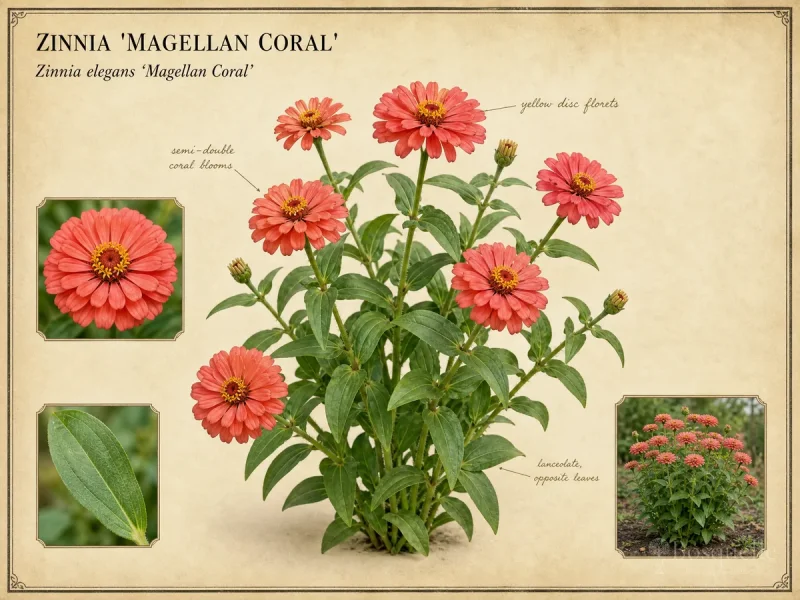
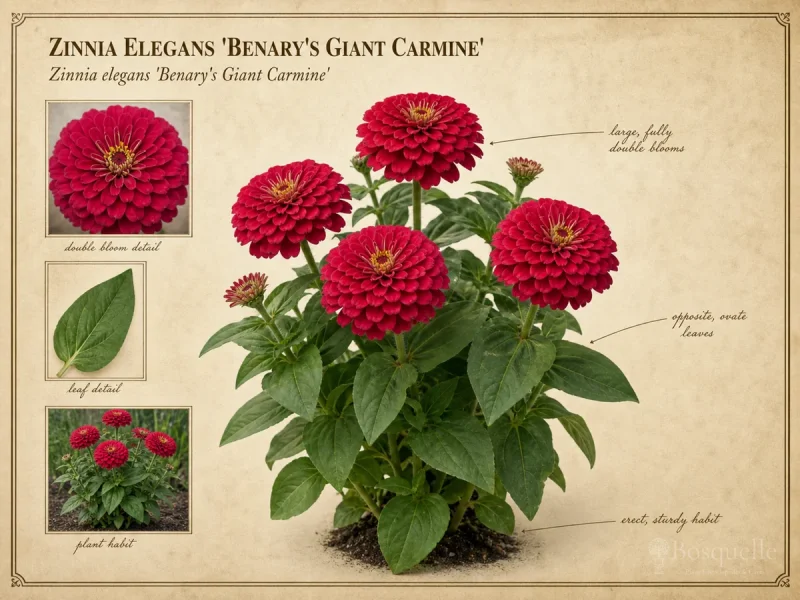
Yes, especially single and semi-double forms that leave the center open. Dense doubles hide nectar and pollen.
Do zinnias self-seed?
Sometimes, where spent flowers set seed and winter is mild. Treat volunteers as extra plants, not a perennial stand. Sow deliberately for a continuous row.
Related guides

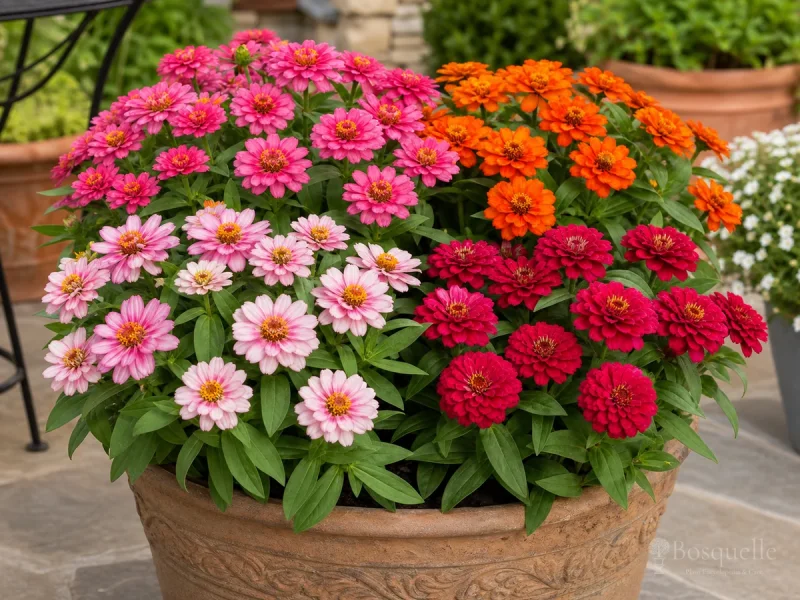


Recommended plants

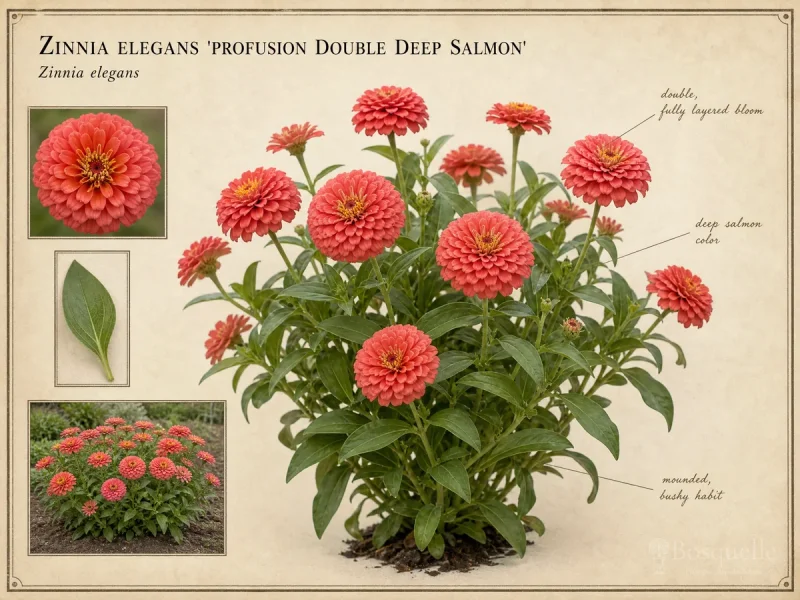
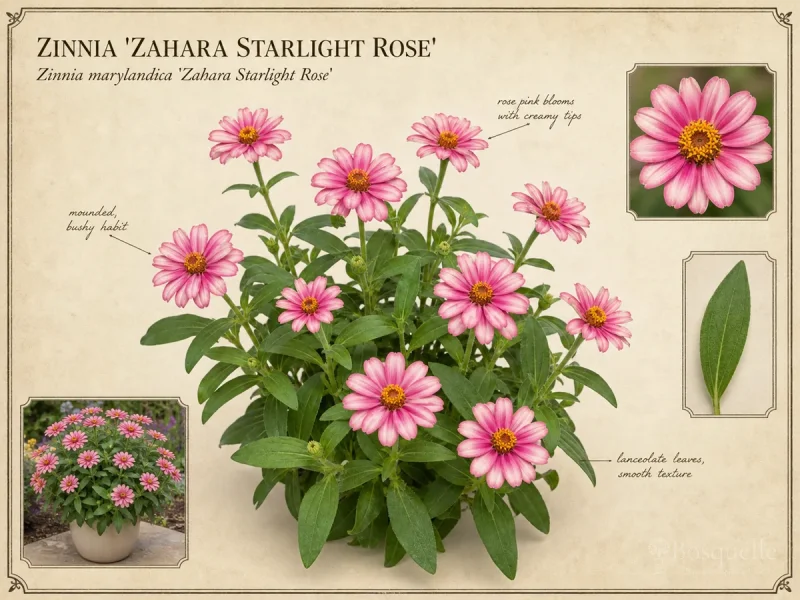





This note is part of Zinnia Guides.
More first-season notes by plant are gathered in How to Grow Guides.
Updated: Reviewed by Bosquelle Editors