
Grow juniper in full sun on well-drained ground. Eastern red cedar is Juniperus virginiana — a juniper, not a true cedar.

Give it full sun and well-drained soil
| Factor | Recommended | Avoid |
|---|---|---|
| Sun | Full sun, at least six hours | Shade that opens the plant and invites blight |
| Soil | Well-drained ground, even poor, sandy, or dry clay | A low, wet pocket that holds water on the roots |
| Air | Room for the mature outline so foliage can dry | A stacked mass with no airflow |
| Deer | Deer usually leave it alone | Do not count on it when winter food is scarce |
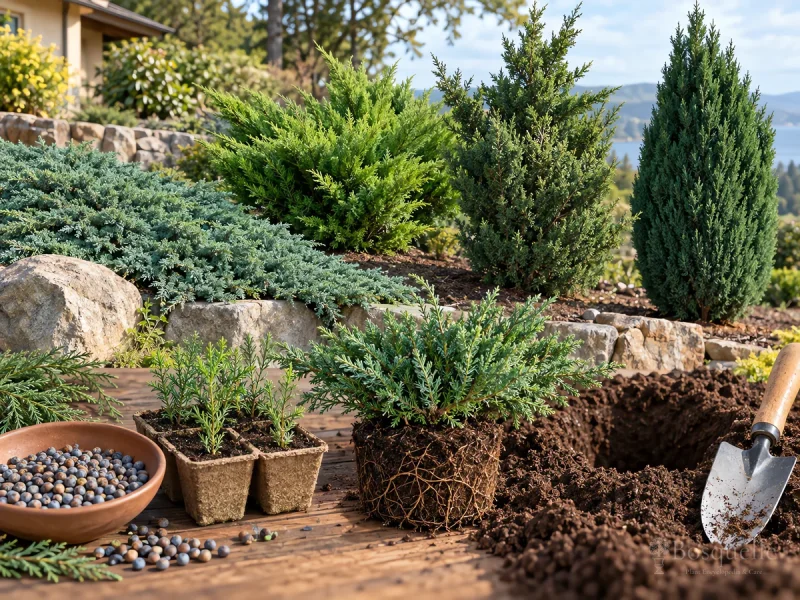
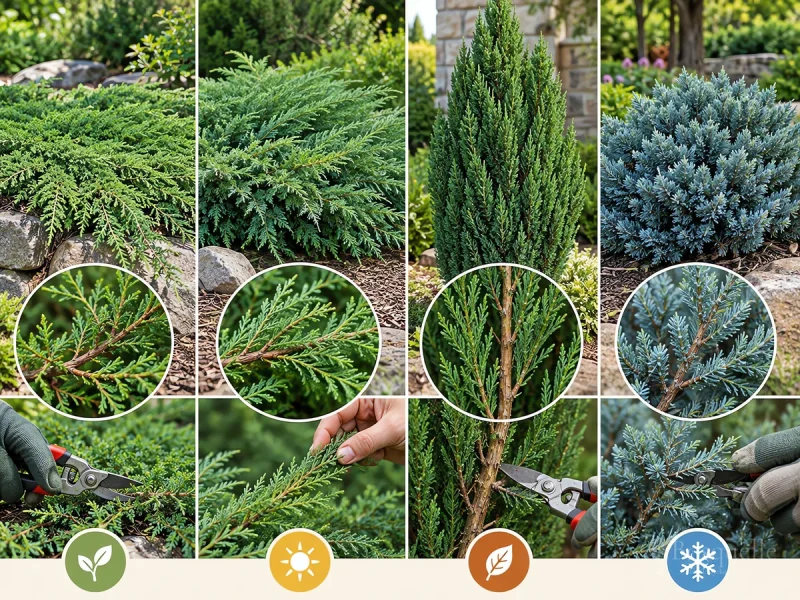
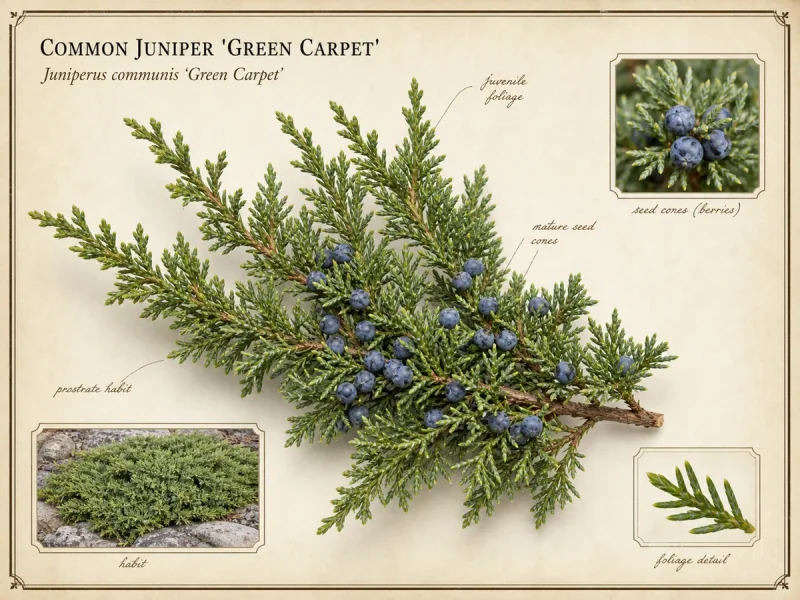
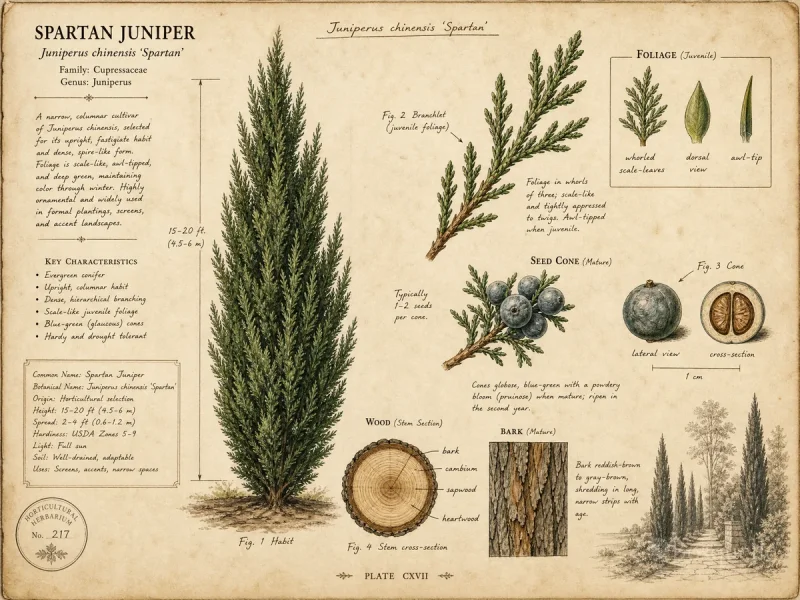
Junipers are tough in heat and poor soil when they stay in sun with drainage. Shade makes them thin and open, and wet ground causes root rot. [1] [2] A creeping mat such as Green Carpet and an upright column such as Spartan share that same sun and drain. Match habit on Types of Juniper. [3]
Tip blight and bagworms show up more often on a shaded, crowded plant. Give the foliage sun and a chance to dry after rain. Shore juniper and some other kinds tolerate salt spray; do not count on that for every cultivar. [4]
Does juniper need full sun?
Yes. Give it at least six hours. In shade the plant opens up, colors fade, and blight is more likely.
What soil for juniper?
Well-drained soil. It tolerates poor, sandy, or dry clay. It fails in a low wet pocket.
Is juniper deer resistant?
Usually. Deer seldom damage it, including eastern red cedar and common juniper. Hungry deer still browse when winter food is scarce.
Water until it is established, then keep it on the dry side
New plants need water so roots leave the nursery ball. After that, soggy soil around the roots is the main cause of rot.
- Water thoroughly after planting, and keep the root ball moist — not soggy — for the first month.
- Let the top few inches of soil dry before you water again. Deep, less often beats a daily splash.
- Once roots have taken, skip routine irrigation except in a long drought.
- Do not keep the crown in standing water. Overwatering causes more failures than drought.
How often do I water juniper?
Keep a new plant moist for about a month, then water only when the top of the soil is dry. Established plants need little extra water.
Water the soil, not a nightly spray on the needles. Wet foliage that never dries is a blight setup. In a long heat spell, soak once deeply rather than a little every day.
If the plant is thin and open, move it into sun and let the soil drain — do not add more water.
FAQ
Can I grow juniper as indoor bonsai?
Not as a houseplant. Keep it outdoors in full sun, including winter. A windowsill kills it.
Does juniper need fertilizer?
Usually no. Skip extra feed unless a soil test shows a shortage. Rich, wet ground hurts more than lean ground.
What about cedar-apple rust?
Eastern red cedar and some other junipers are the winter host for a rust that spots apples and crabapples. Galls on juniper are mostly cosmetic. Do not plant a susceptible juniper next to a susceptible apple if rust is a problem.
Can I harvest juniper berries?
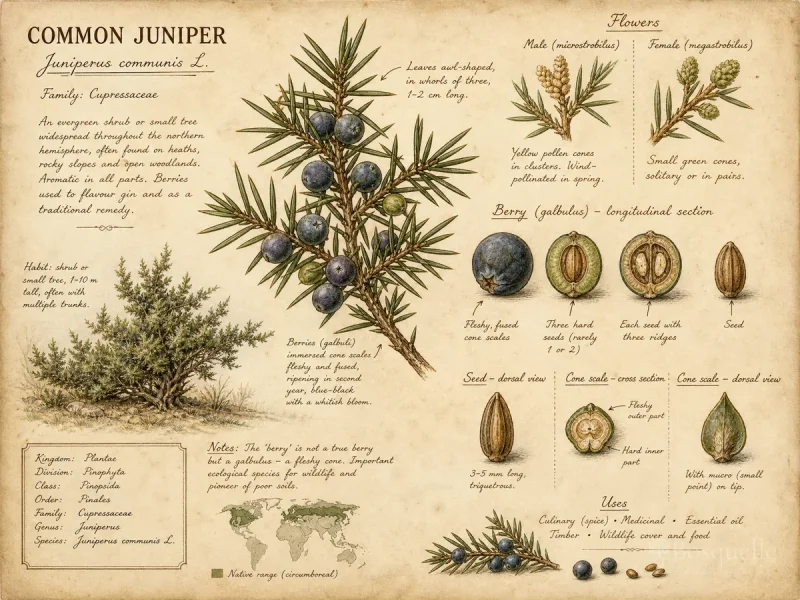
The blue cones on a female common juniper are the spice used in gin. Do not eat savin, and do not nibble landscape plants that may have been sprayed. Large amounts can upset the gut.
Related guides

Recommended plants


References
- [1] Clemson HGIC -
https://hgic.clemson.edu/factsheet/juniper/ - [2] UMass Extension -
https://www.umass.edu/agriculture-food-environment/landscape/fact-sheets/juniper-culture - [3] University of Georgia Extension -
https://fieldreport.caes.uga.edu/publications/C956/junipers/ - [4] NC State Extension Gardener -
https://plants.ces.ncsu.edu/plants/juniperus-virginiana/
This note is part of Juniperus Guides.
More first-season notes by plant are gathered in How to Grow Guides.
Updated: Reviewed by Bosquelle Editors