
Grow false cypress in moist, well-drained soil with shelter from wind. Hinoki is Chamaecyparis obtusa — a false cypress, not bald cypress.

Give it moist, well-drained soil and shelter from wind
| Factor | Recommended | Avoid |
|---|---|---|
| Sun | Full sun, or light afternoon shade in heat | Do not site it in deep shade that thins the sprays |
| Soil | Moist, well-drained loam; slightly acid is fine | Do not plant in a bog, and do not plant on a dry windy ridge you cannot water |
| Wind | A wall, hedge, or building that breaks winter wind | Do not leave it on an open, drying exposure that browns the tips |
| Feed | Skip extra fertilizer until roots have taken | Do not heavy-feed a wet crown |
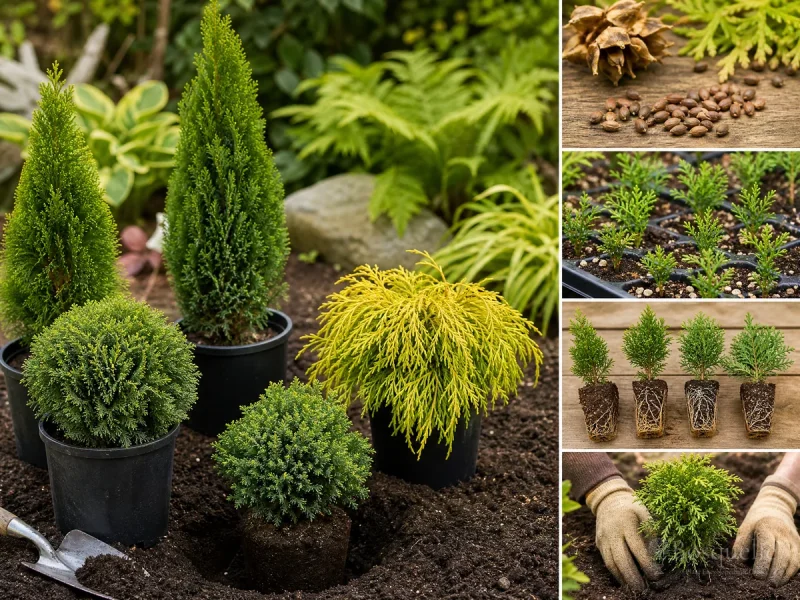
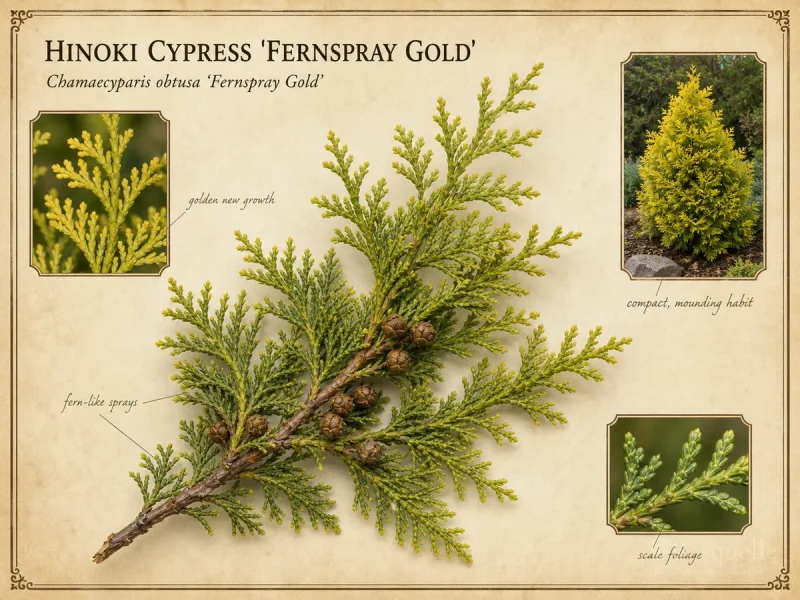
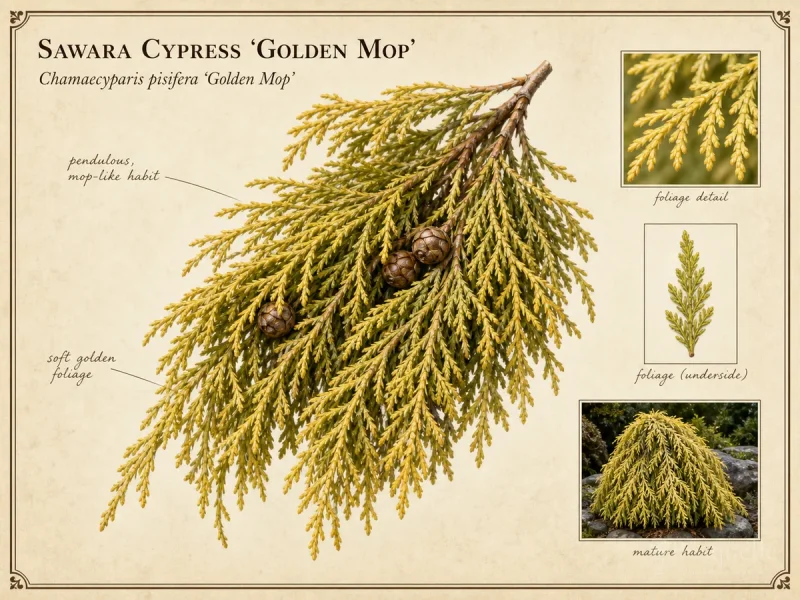
False cypress wants moisture around the roots and air around the foliage. Standing water rots the roots. A dry, exposed site burns the sprays brown in winter. [1] [2] A dwarf hinoki such as Nana Gracilis and a threadleaf such as Golden Mop share that same moist drain and wind shelter. Match kind on Types of False Cypress.
Foliage thins in deep shade. Afternoon shade after a full morning of sun is fine in heat. Do not site it where water pools after rain.
Does false cypress need full sun?
Give it at least a full morning of sun. Light afternoon shade is fine in heat. Deep shade thins the sprays.
What soil for false cypress?
Moist, well-drained soil. Standing water rots the roots, and a dry windy site browns the sprays.
Keep the soil moist, never soggy
New plants need water so roots leave the nursery ball. Established plants still brown if the root zone bakes, and they rot if the crown sits wet.
- Water thoroughly after planting. Keep the root ball moist — not soggy — through the first growing season. [3]
- Check a few inches down. Water again when that soil is drying, not on a calendar splash.
- Once roots have taken, soak during dry spells. Sawara kinds tolerate a missed watering better than hinoki, but none of them want a drought as a habit. [4]
- Mulch two inches over the root zone, kept off the trunk, so the soil stays even.
How often do I water false cypress?
Keep a new plant moist for the first season. After that, soak during dry spells. Do not let the root zone dry out, and do not leave it in standing water.
Water the soil, not a nightly mist on the foliage. Wet foliage that never dries sets up blight.
Cut only green sprays if you shape it
False cypress looks best in its natural outline. If you shorten a shoot, stay in green foliage. Bare brown wood does not resprout.
- Remove dead, broken, or crossing shoots.
- Shorten a long tip back to a green side spray.
- Stop if you reach brown, leafless wood. Leave that wood alone.
Will it grow back if I cut into brown wood?
No. False cypress does not resprout from old bare wood. Keep every cut inside green sprays.
If the sprays are browning in a dry wind, soak the root zone and add a windbreak — do not wait for a bare interior.
FAQ
Can I grow false cypress in a pot?
A dwarf kind can sit in a draining pot for a few years if you water it. Open ground is the usual home. Do not leave the pot in a saucer of water.
Does false cypress need fertilizer?
Usually no until it is established. Skip extra feed unless a soil test shows a shortage. Rich, wet ground hurts more than lean ground.
Why is my false cypress turning brown?
Drought, winter wind, a wet crown, or bagworms. Check moisture a few inches down. Interior brown on an old, dense plant is often shaded-out wood.
What pests hit false cypress?
Bagworms, mites, and root rot show up on stressed plants. Pick bagworm bags in winter. Do not soak the crown.
Does Lawson die of root rot?
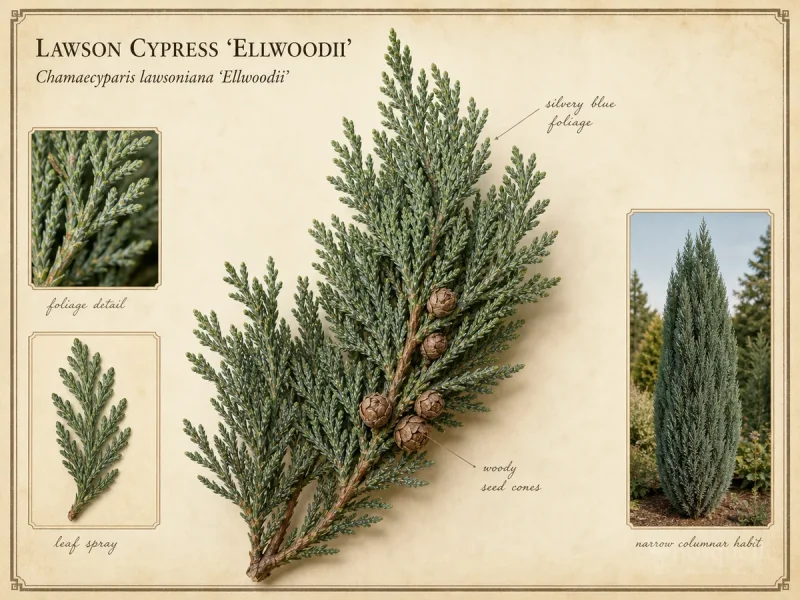
Lawson false cypress can fail from Phytophthora in parts of the Pacific Northwest. Buy resistant stock if you garden there, or pick hinoki or Sawara. Do not plant any kind in a bog.
Can I harvest hinoki wood from a garden plant?
No. Garden plants are for the outline, not timber. Buy a nursery plant and leave the wood on the tree.
Related guides

Recommended plants


References
- [1] NC State Extension Gardener -
https://plants.ces.ncsu.edu/plants/chamaecyparis-obtusa/ - [2] The Morton Arboretum -
https://mortonarb.org/plant-and-protect/trees-and-plants/hinoki-cypress/ - [3] Garden Design -
https://www.gardendesign.com/shrubs/chamaecyparis.html - [4] NC State Extension Gardener -
https://plants.ces.ncsu.edu/plants/chamaecyparis-pisifera/
This note is part of Chamaecyparis Guides.
More first-season notes by plant are gathered in How to Grow Guides.
Updated: Reviewed by Bosquelle Editors