
Grow chinese money plant in bright, indirect light and water when the top of the mix is dry. Coin leaves on long stalks are the usual look. Shop “money plant” is often pothos, not this genus.

Bright indirect, dry-top, and a draining pot
| Factor | Recommended | Avoid |
|---|---|---|
| Light | Bright indirect; east window, or set back from south or west | Hard midday glass, or a dark corner that stretches the stem |
| Mix | Houseplant mix that drains; add perlite if it stays wet | Heavy peat in a sealed pot |
| Water | When the top 1–2 inches feel dry, then empty the saucer | A weekly calendar soak on wet mix |
| Room | About 65–75°F days; nights above 55°F | Cold drafts, AC vents, and heater blast |
North Carolina Extension: bright indirect light and a moist mix that still drains. Keep it off cold drafts and heater vents.
How much light does Pilea need?
Bright, indirect light. An east window, or a spot set back from south or west, works. Hard sun scorches. Deep shade makes stems leggy.
How to water, rotate, and feed
Penn State Extension: daytime indoor temperatures about 65–75°F, with nights above 55°F. Coin plants lean toward a side window, so turn the pot.
- Water when the top inch or two feels dry, or when the pot feels light.
- Soak until water runs out. Empty the saucer.
- Give the pot a quarter turn each time you water, or at least weekly, so the crown stays round.
- Feed monthly in spring and summer with a balanced houseplant fertilizer at half strength. Skip feed in fall and winter.
- Wipe dust off the coin leaves so light reaches the surface.
How often should I water a Chinese money plant?
When the top 1–2 inches of mix feel dry, then empty the saucer. In winter, water less often as growth slows.
Should I rotate my Pilea?
Yes. Coin-leaf plants lean toward the window. A quarter turn each watering keeps a round crown.
Droop, yellow leaves, and what fails
University of California Cooperative Extension: keep the plant out of cold drafts and heat vents. Check the mix before you add water.
Droop
Dry, light mix plus limp petioles is thirst — soak, then drain. Wet mix plus limp leaves is overwatering. Do not add more water.
Yellow leaves
One oldest lower leaf yellowing while new growth continues can be normal aging. Widespread yellow plus a soft stem base is a watering problem.
What fails
- A calendar soak on wet mix.
- Deep shade, then a sudden blast of hot glass.
- A pot with no drain hole.
Why is my Chinese money plant drooping?
Check the mix first. Dry mix means water thoroughly. Wet mix with yellowing means overwatering — do not add more water.
Why is my Pilea leggy?
Usually too little light. Move to brighter indirect light and rotate. Top a sparse stem on How to Propagate Chinese Money Plant.
Kinds, pups, and pots
Kinds
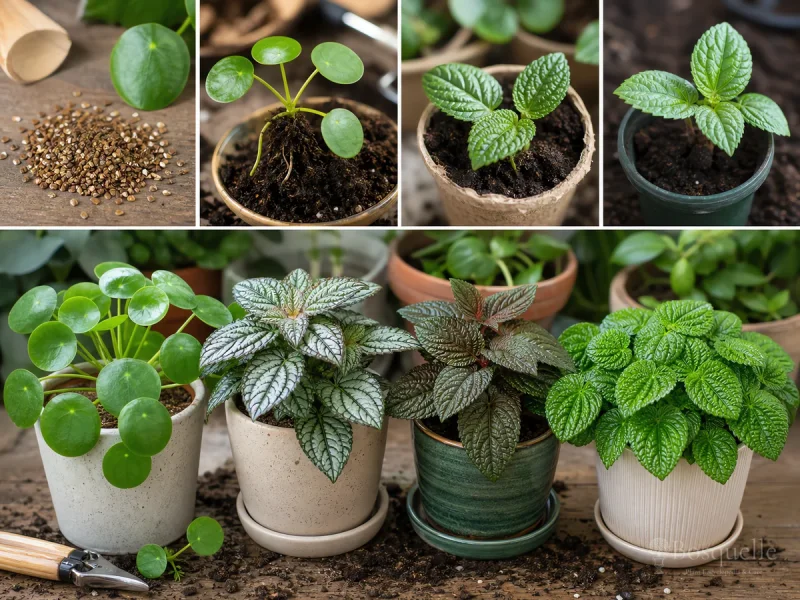
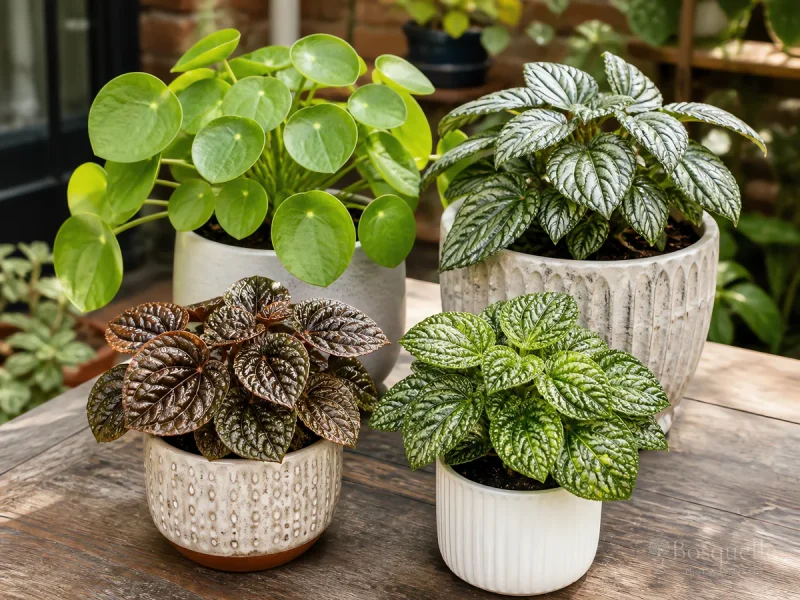
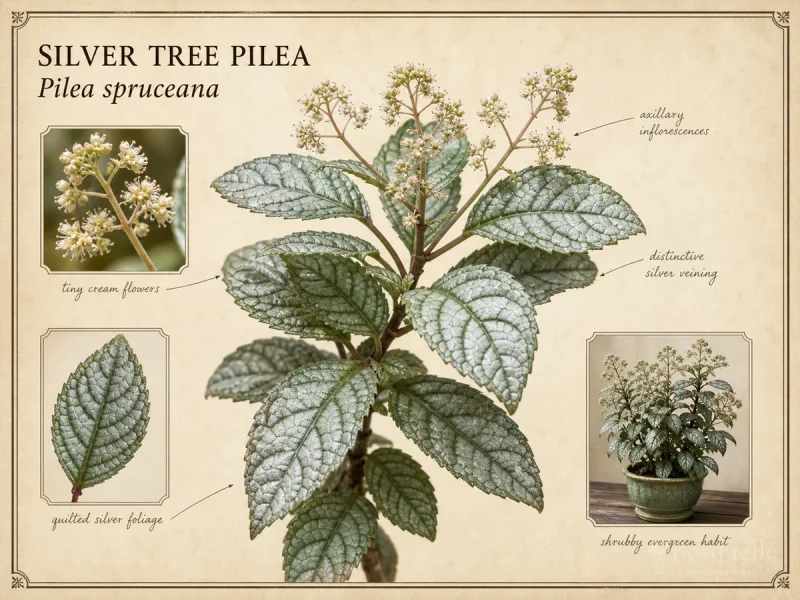
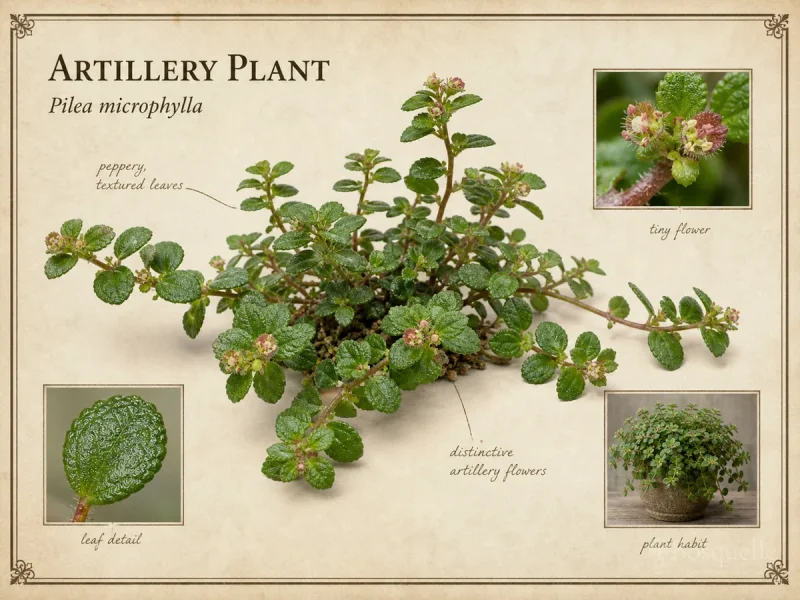
Coin leaves, silver aluminum, quilted friendship, and trailers live on Types of Pilea.
Pups
A 2–3 inch offset from the soil lives on How to Propagate Chinese Money Plant.
Pots
When roots fill the pot, or you want to stay snug for more pups, use How to Repot Chinese Money Plant.
Water when the top is dry, then turn the pot a quarter turn.
FAQ
Is Chinese money plant safe for pets?
North Carolina Extension notes it as non-toxic for pets and children. Still keep plants out of chew range if your pet shreds foliage.
Should I mist Chinese money plant?
Average home humidity is usually enough for coin leaves. Do not leave water sitting on the foliage.
What potting mix should I use?
A light houseplant mix that drains. Add perlite if the bagged mix stays wet. Empty the saucer.
Related guides

Recommended plants




This note is part of Pilea Guides.
More first-season notes by plant are gathered in How to Grow Guides.
Updated: Reviewed by Bosquelle Editors