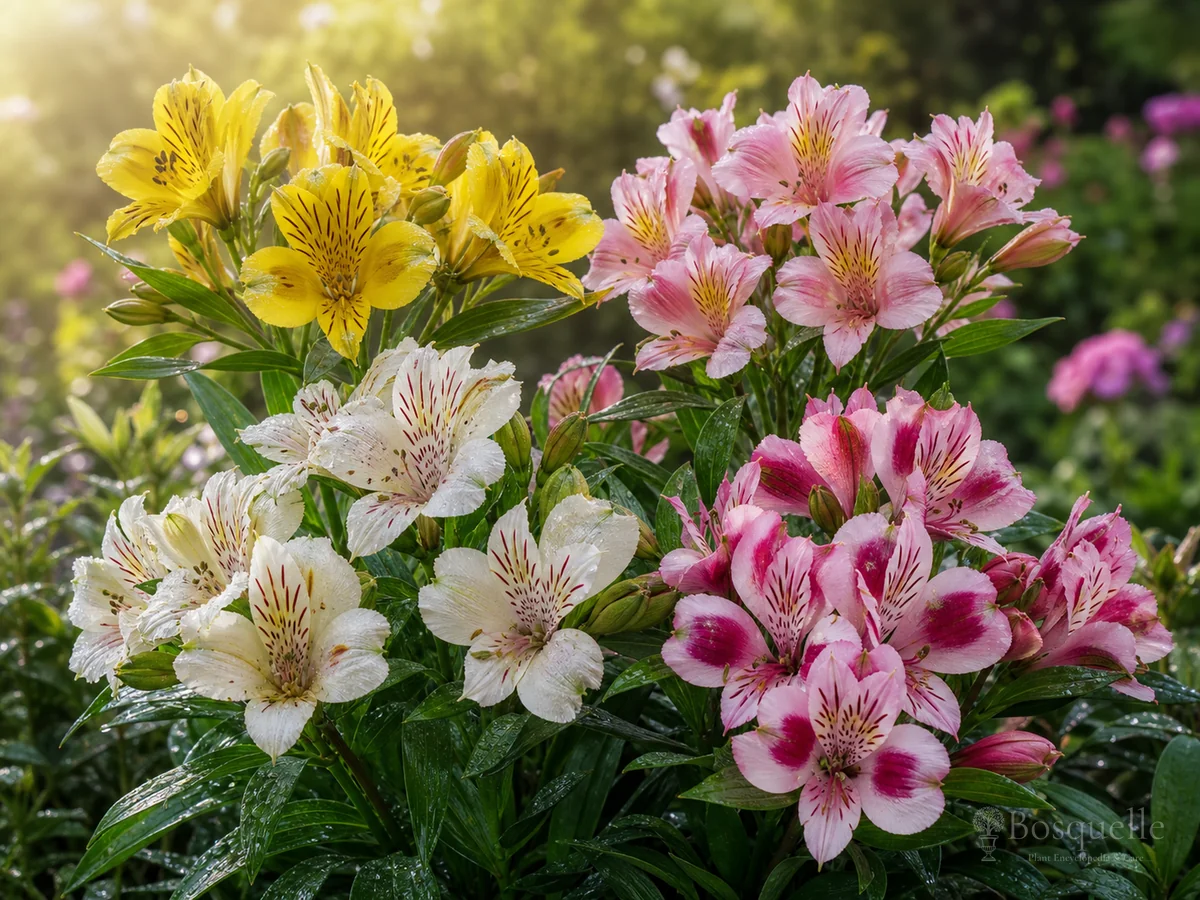
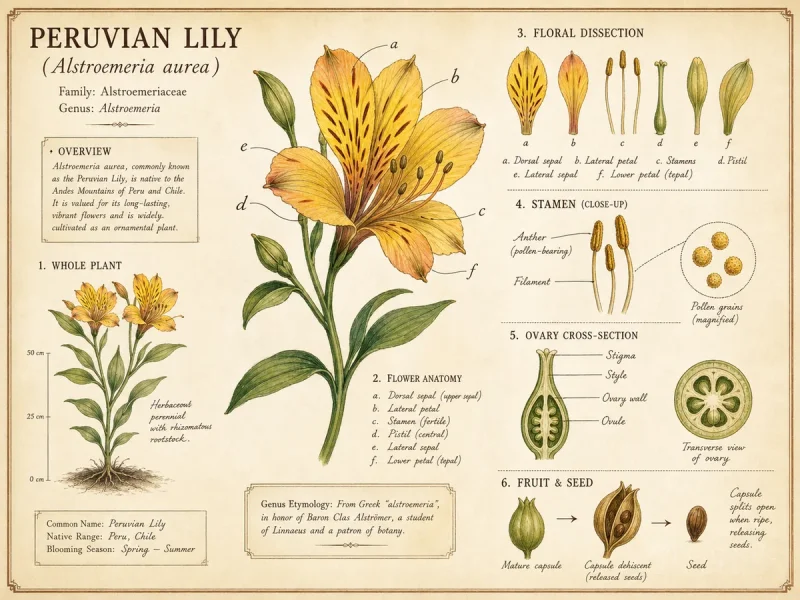
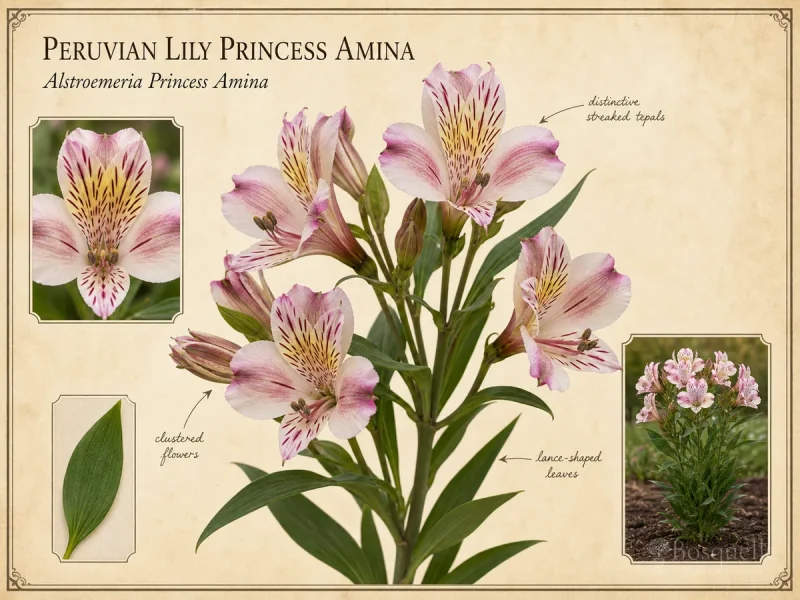
Alstroemeria — sold as Peruvian lily or Lily of the Inca — grows from fleshy rhizomes, not a true lily bulb. Alstroemeria aurea and compact patio plants such as 'Princess Amina' share the same jobs: full sun, soil that drains, spent stems pulled from the base, and a winter plan. Toxic if eaten; sap can irritate skin. Compare series on Types of Alstroemeria. Pots on Alstroemeria in Containers; depth and divide on Planting Alstroemeria.
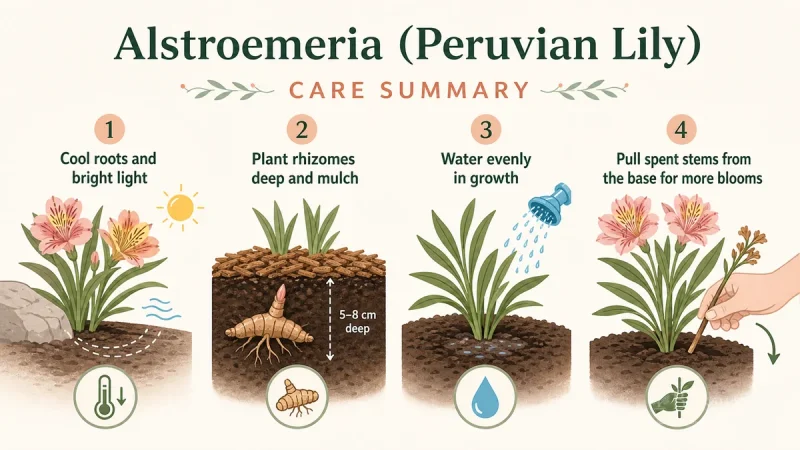
Full sun, drainage, and even moisture
| Factor | Recommended | Avoid |
|---|---|---|
| Light | Full sun; light afternoon shade in harsh heat | Deep shade; a cold, windy pocket |
| Soil | Fertile, free-draining; grit on wet clay | Winter-wet clay around the rhizomes |
| Water | Even moisture in growth; let the surface dry | A saucer of standing water; a swampy crown |
| Feed | Light feed in peak growth if foliage pales | Heavy nitrogen that pushes soft leaves, not flowers |
| Stake | Supports on tall hybrids before stems lean | Waiting until a loaded stem snaps in rain |
RHS: a warm, sunny, sheltered spot, free-draining soil, not waterlogged in winter. Garden Design: an inch of water a week in growth; pots when the top of the mix feels dry. Farmer Bailey: loose, moist but draining soil, and regular water once plants are in production. North Carolina Extension: roots are brittle — do not tease them apart at planting. Often hardy about USDA zones 7–10 in the ground with drainage; compact Princess types are often listed near zone 7, and mulch can stretch a borderline winter. Hardiness does not rescue a wet clay bed.
- Plant in spring after frost, or in a mild climate in early fall if the bed drains. Full plant-out steps live on Planting Alstroemeria.
- Keep new plants evenly moist while shoots lengthen. Then water when the surface dries, not on a calendar.
- Skip a heavy nitrogen dump. Soft, leafy growth flowers poorly and snaps in wind.
- A pot that stays wet overnight fails faster than a missed week in open ground. Real drain holes; empty the saucer.
- Shade cuts bloom on every series. Move the plant into brighter light before you blame the color on the tag.
Compact patio plants and tall cutting hybrids want the same sun and drain. Height is a types job, not a second watering genus.
Pull spent stems from the base
This is the cut-and-come habit. RHS, Garden Design, Farmer Bailey, and Blooming Expert: grasp the stem low, near the soil, and give a firm tug — like rhubarb — instead of snipping high. Pulling removes the spent stalk and signals the rhizome to push a new flowering shoot. Cutting leaves a stub that yellows and can rot in place.
- Choose a stem with a few open flowers and more buds showing color if you are cutting for a vase.
- Water the bed the day before if soil is bone dry, so the stalk slips free instead of tearing.
- Grasp near the base and pull straight up. If it resists hard, cut cleanly rather than ripping the crown.
- RHS: in the first summer after planting, cut rather than pull until the plant is firmly rooted.
- Strip leaves that would sit in vase water. Recut the white underground end. Change water often. Farmer Bailey: ethylene sensitive — keep cut stems away from ripening fruit.
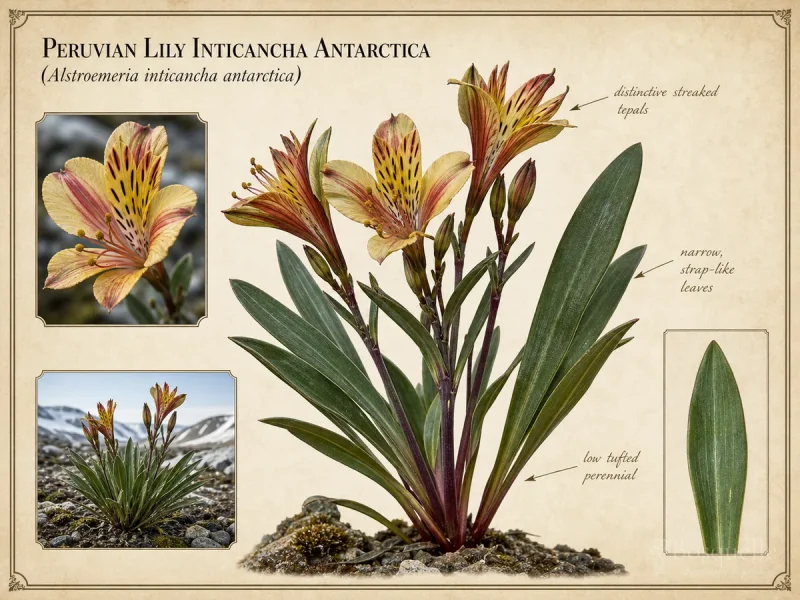
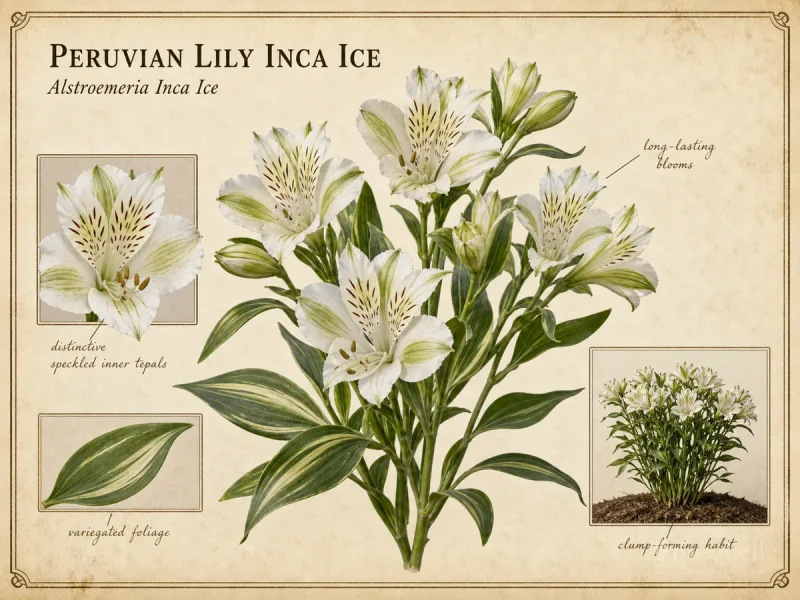
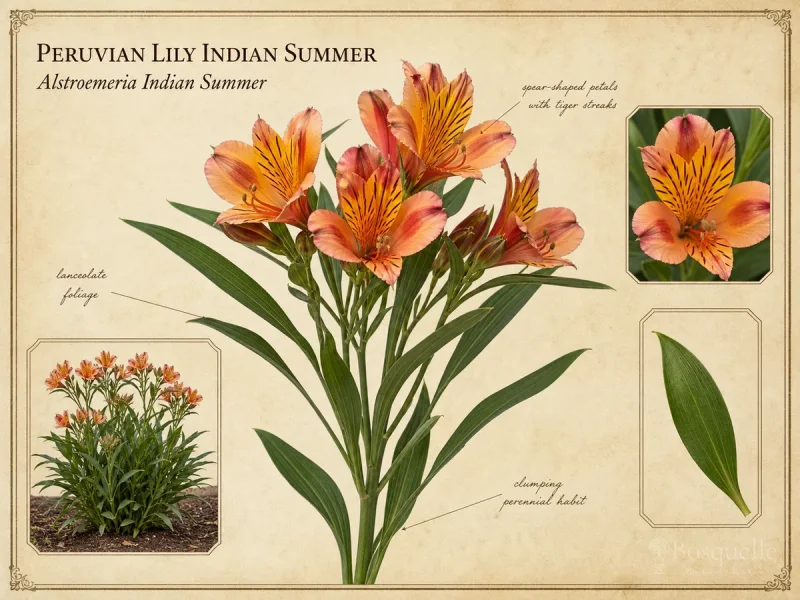
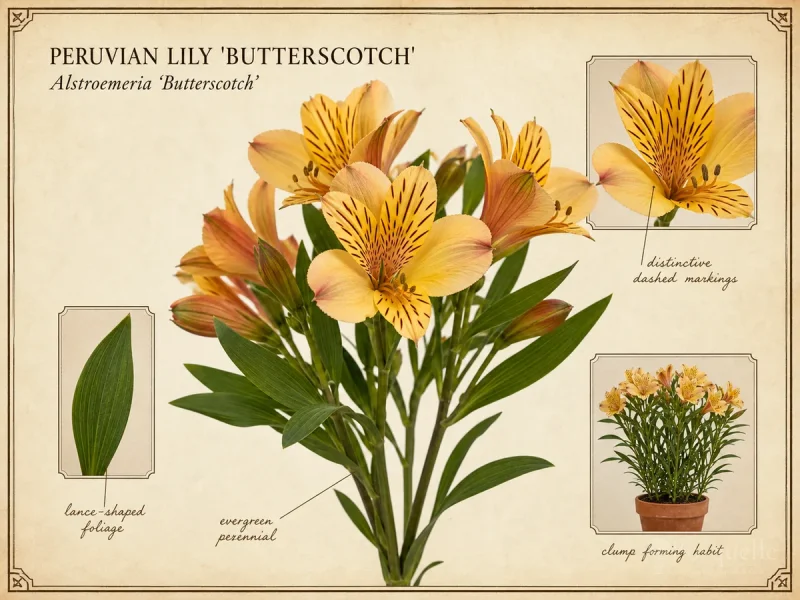
Taller hybrids such as Indian Summer reward a cutting row. Compact Princess and Inticancha plants still want spent stems removed so the pot keeps flowering, even if you rarely fill a vase. Harvest in the cool of morning. Afternoon heat shortens vase life.
Winter: mulch, lift, or replace
Foliage dies back. The rhizomes stay. Whether they return depends on winter wet and cold, not on the word “perennial” on the tag. RHS: once roots are deep, many garden plants survive outdoors; mulch the first winters. Horticulture.co.uk: pots are colder than ground — move them frost-free. Greenhouse Grower: Princess tubers can be stored barely moist in a cool, dark place.
- Mild, draining ground: leave clumps in place. Mulch after the soil cools — composted bark about 6–8 inches around, not piled wet on the crown in early warm rain.
- Cold, wet winters: lift after foliage softens, or treat the planting as annual and replace in spring. Store rhizomes barely moist and frost-free. Replant when soil warms.
- Pots: move to a garage, cool porch, or unheated greenhouse. Barely moist mix. Full pot winter steps live on Alstroemeria in Containers.
- Mark the clump. Spring shoots often emerge later than leafy neighbors. Unmarked digging spears new growth.
A Princess pack on a cold balcony is not the same contract as Alstroemeria aurea in a free-draining mild border. Write the plan before the first hard freeze.
Rot, slugs, flop, and toxicity
- Soft black crowns after wet cold — drainage and winter water, not a fertilizer shortage. Raise the bed or move the clump. A mushy rhizome rarely recovers.
- Few flowers — shade, heavy nitrogen, or a rhizome that never established. Fix light and drain first.
- Floppy tall stems — stake earlier; stop extra feed. Compact series need less stake work.
- Slugs on new shoots — protect the first warm nights. Early grazing sets bloom back more than midsummer chew.
- Virus or heavy mottling — remove badly affected plants rather than nursing forever.
- Pets chewing leaves — toxic if eaten. This is not a drainage cue. Keep cut stems and debris out of reach.
Series height and patio versus border live on Types of Alstroemeria. They do not replace sun, drain, pull, and a winter plan here.
FAQ
Is alstroemeria a hardy perennial?
Often, in draining soil once the rhizomes are established. Hardiness varies by selection and winter wet. Treat it as needing a frost plan, not a peony guarantee of return.
Is Peruvian lily the same as alstroemeria?
Yes in garden trade — Peruvian lily, Lily of the Inca, and parrot lily are common names for Alstroemeria. It is not a true Lilium bulb.
Should I cut or pull alstroemeria stems?
Pull flowering stems from the base for more bloom. If a stem resists, cut cleanly. In the first summer, cut until the plant is firmly rooted (RHS).
How do you overwinter alstroemeria?
In draining ground, mulch after the soil cools. In cold wet winters, lift or replace. Move pots frost-free and keep the mix barely moist.
Are alstroemeria poisonous to cats?
Yes — toxic if ingested. Sap can irritate skin. Wear gloves when pulling stems. Keep cut debris away from chewing pets.
How much sun does alstroemeria need?
Full sun in cooler summers; light afternoon shade in harsh heat. Deep shade cuts bloom on every series.
Why is my alstroemeria not flowering?
Often shade, wet rich nitrogen, or a rhizome that never established after a hard winter. Fix light and drainage before feeding harder.
When should you divide alstroemeria?
When clumps are crowded — often after a few seasons, in a mild spring window. Roots are brittle. Full timing is on Planting Alstroemeria.
How deep do you plant alstroemeria?
Set the crown at nursery-pot level in the ground. Do not tease the brittle roots. Depth steps live on Planting Alstroemeria.
Is alstroemeria good for cut flowers?
Yes — long vase life. Pull stems when a few blooms are open and buds remain. Change vase water often.
Related guides
Recommended plants


This note is part of Alstroemeria Guides.
More first-season notes by plant are gathered in How to Grow Guides.
Updated: Reviewed by Bosquelle Editors